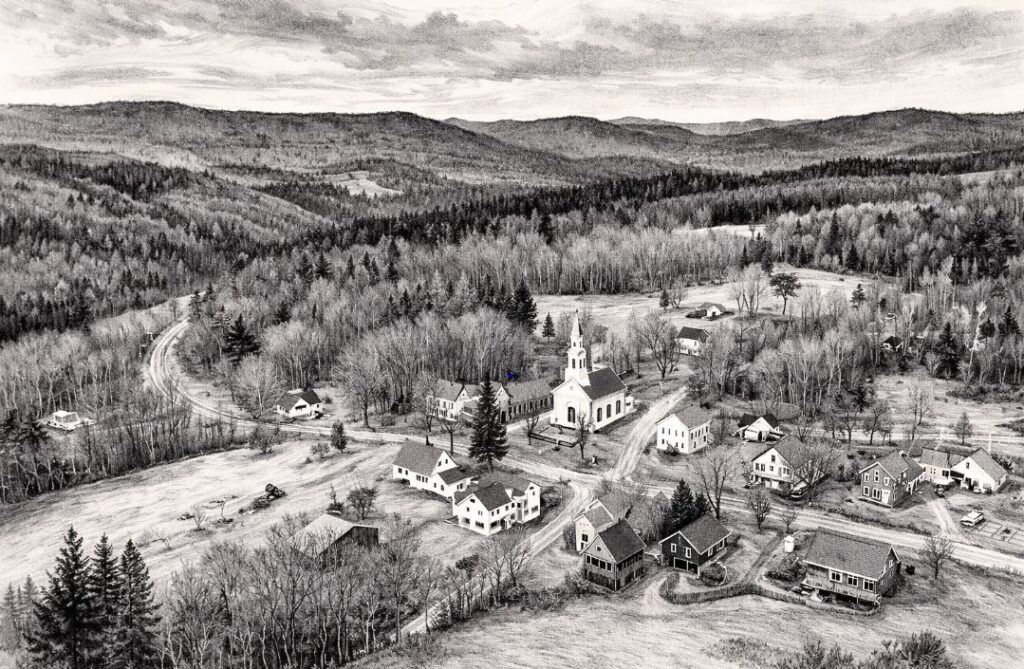
Plainfield is one of the many hilltowns of western Massachusetts whose landscape and buildings reflect a long and fascinating history. The homes that have endured here for more than two centuries are more than simply old structures—they are physical records of the people who built them and the lives that unfolded within their walls. Each house preserves a story about the families who lived there, the work they performed, and the community they helped shape.
This project, Our Old House: Uncovering the Past, explores the histories of thirteen historic homes located within Plainfield’s Historic District. Together, these houses offer a glimpse into everyday life in Plainfield from the late eighteenth century to the present day. By examining these buildings and the records connected to them, the project reveals how architecture, ownership, and community history intersect to tell the story of a town.
Research for this project draws on a variety of sources. Materials from the Plainfield Historical Society’s archives, town records, cemetery records, and historical maps provided important local documentation. Additional information came from online research, genealogical resources, and interviews with both current and former homeowners. Local libraries, historical societies, and county archives also proved valuable, along with digital databases such as Ancestry.com that help trace families and property records over time.
One important aspect of this research is understanding the architectural significance of each house. Identifying the home’s architectural style, original building materials, and construction techniques can reveal when it was built and how it fits within regional building traditions. Many of these houses also show evidence of change over time—additions, enclosed porches, or altered interiors—that reflect evolving needs and technologies.
Equally important is establishing the chain of ownership for each property. By tracing deeds and other legal records, it is possible to build a timeline of residents and families who lived in the house. These records often reveal occupations, family connections, and the roles residents played within the community. In some cases, these details provide insight into the broader social and economic life of Plainfield.
Research also uncovers the structural evolution of each home. Building permits, deeds, old photographs, and physical evidence within the structure itself can reveal when additions were constructed or when features were altered or sealed up. These clues help reconstruct how the house originally looked and how it changed as new generations adapted it to their needs.
Historic documentation provides another layer of understanding. Maps, including nineteenth-century atlases and other cartographic records, can confirm the presence of a house and illustrate how property boundaries and roadways developed. Tax records, census data, and other government documents often help verify the age of a house and its significance within the town’s development.
Researching a historic home ultimately reveals its deeper provenance—the combined story of its physical structure and the people who lived within it. Studying former residents can uncover family histories, occupations, immigration backgrounds, and even glimpses of daily life. Occasionally, houses may also connect to broader historical events, such as wartime activity or important regional developments.
Understanding the legal and neighborhood context of a house is equally valuable. Establishing a complete chain of title shows how the property passed from owner to owner over time, sometimes from the original land grant to the present day. Property boundaries may shift as land is divided or combined, and these changes can illustrate how the surrounding neighborhood evolved. In Plainfield, many homes that began as working farmhouses later became seasonal residences or year-round homes for new generations.Through careful research and documentation, Our Old House: Uncovering the Past brings these stories together. Each house represents a small but meaningful piece of Plainfield’s history, and together they form a richer portrait of the town and the people who called it home.
This website accompanies an exhibit Our Old House: Uncovering the Past, held at the Shaw Memorial Library in the spring of 2026. The exhibition brought together posters, photographs, slideshows, historic artifacts, and a virtual tour that highlight the homes featured in the project and the stories uncovered through research.
Together, these materials explore the history of several houses within Plainfield’s Historic District, revealing how the lives of past residents shaped the town over time. Each house has its own story, discovered through deeds, maps, architectural evidence, and local records.
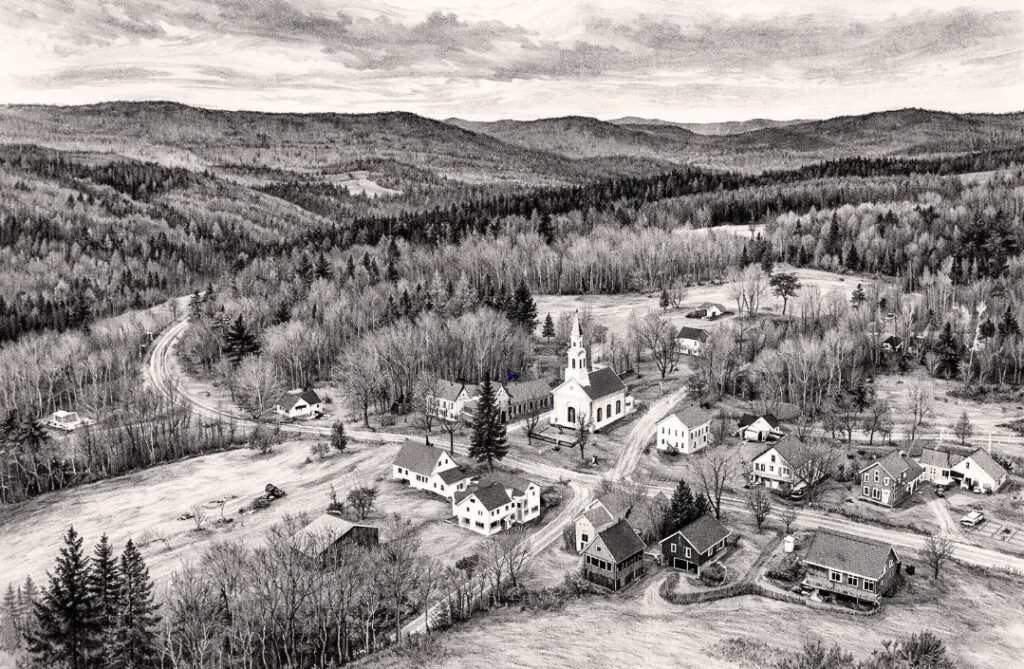
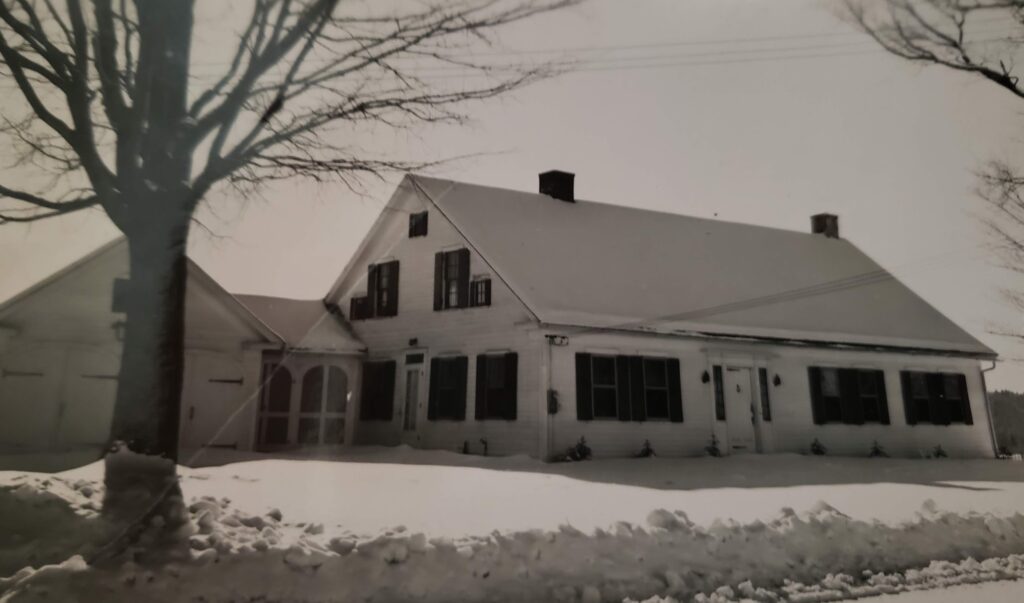
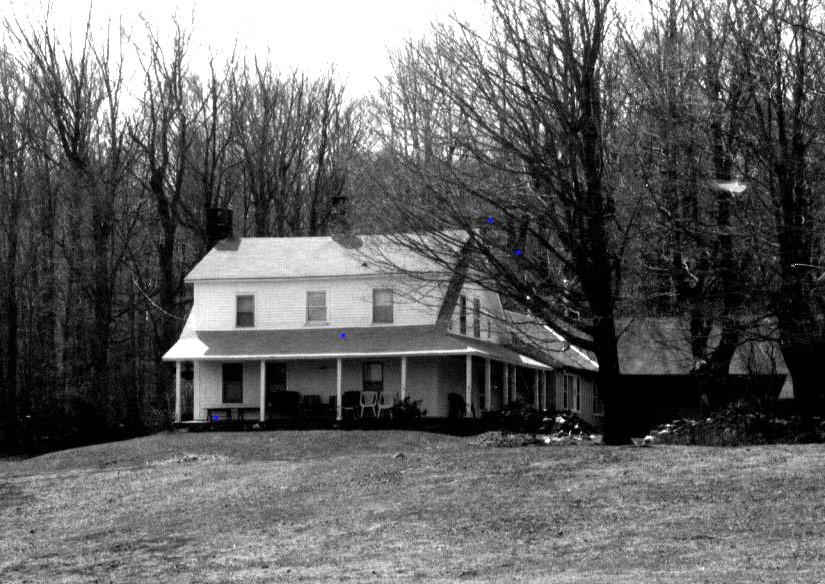
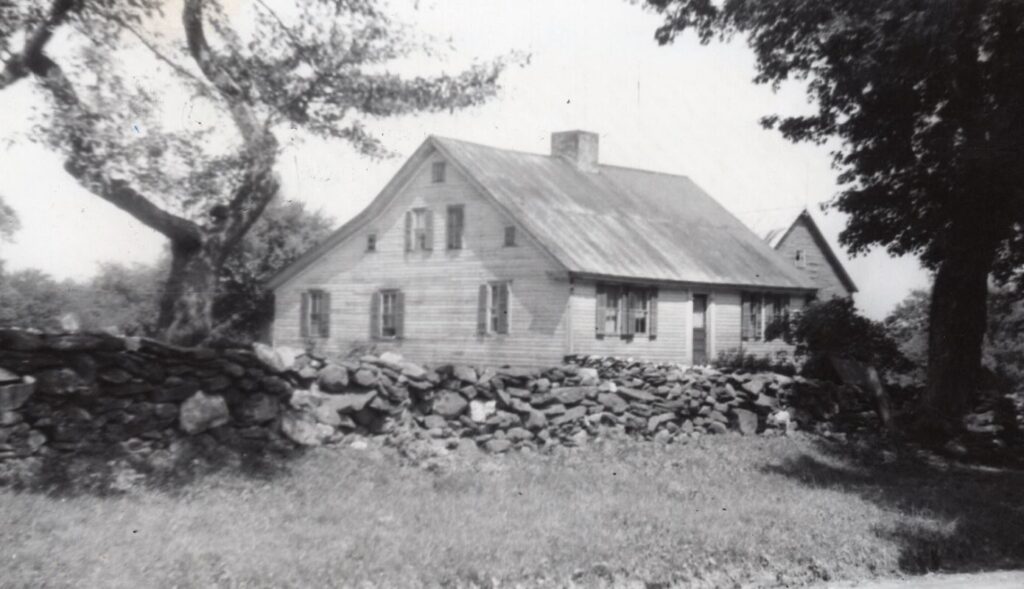
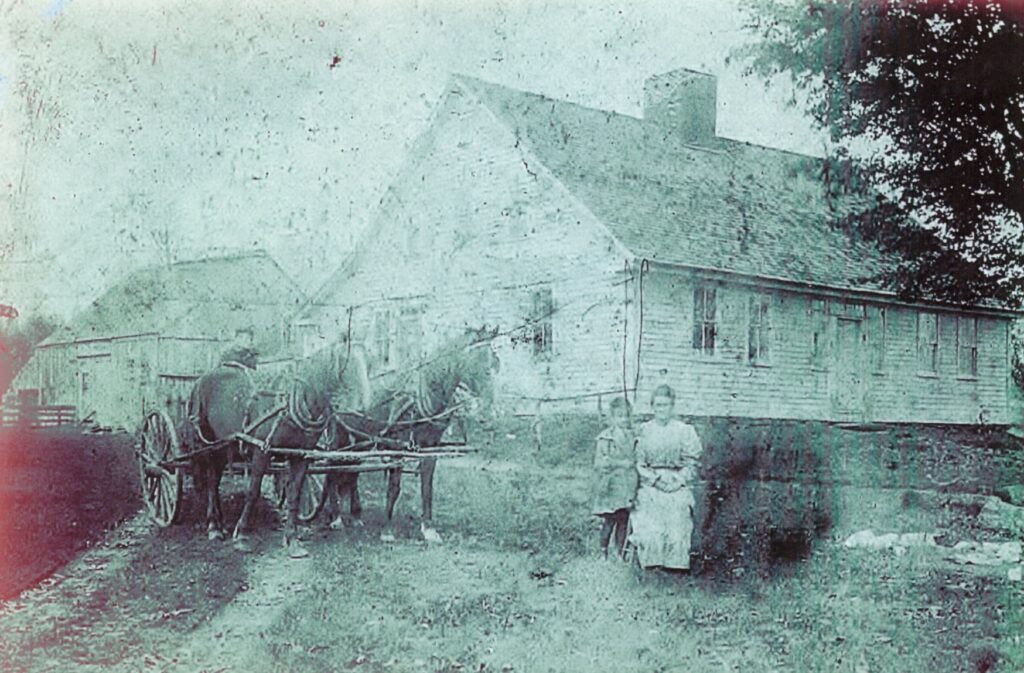
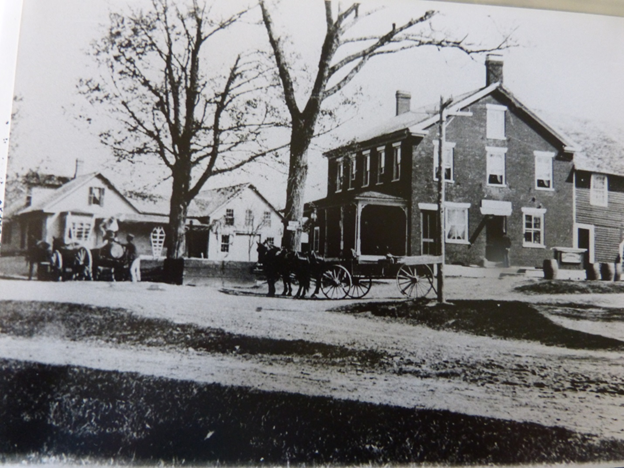
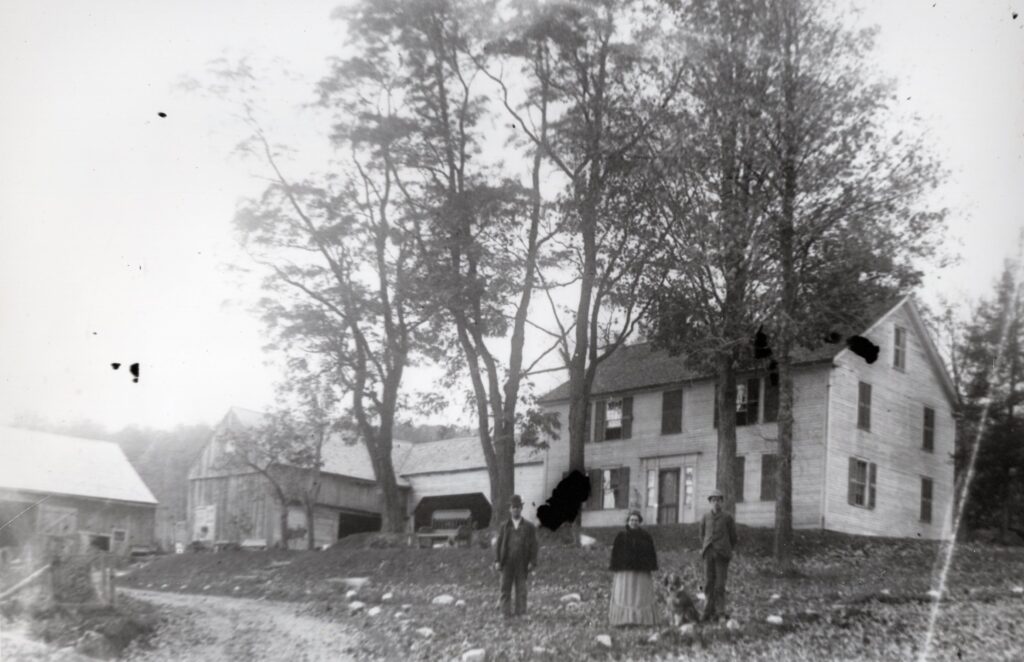
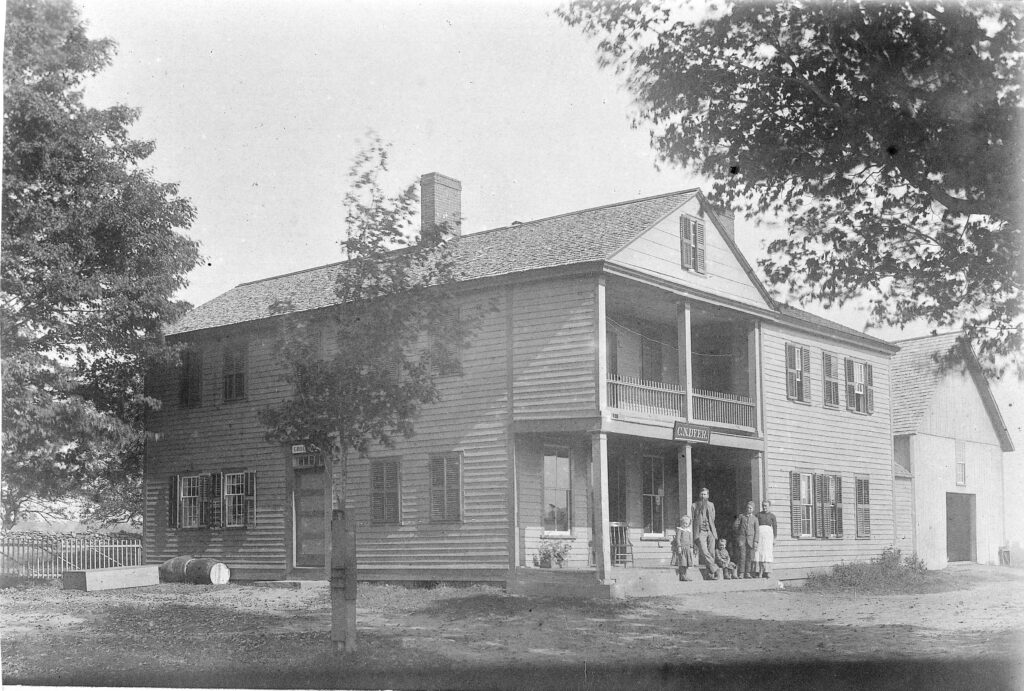
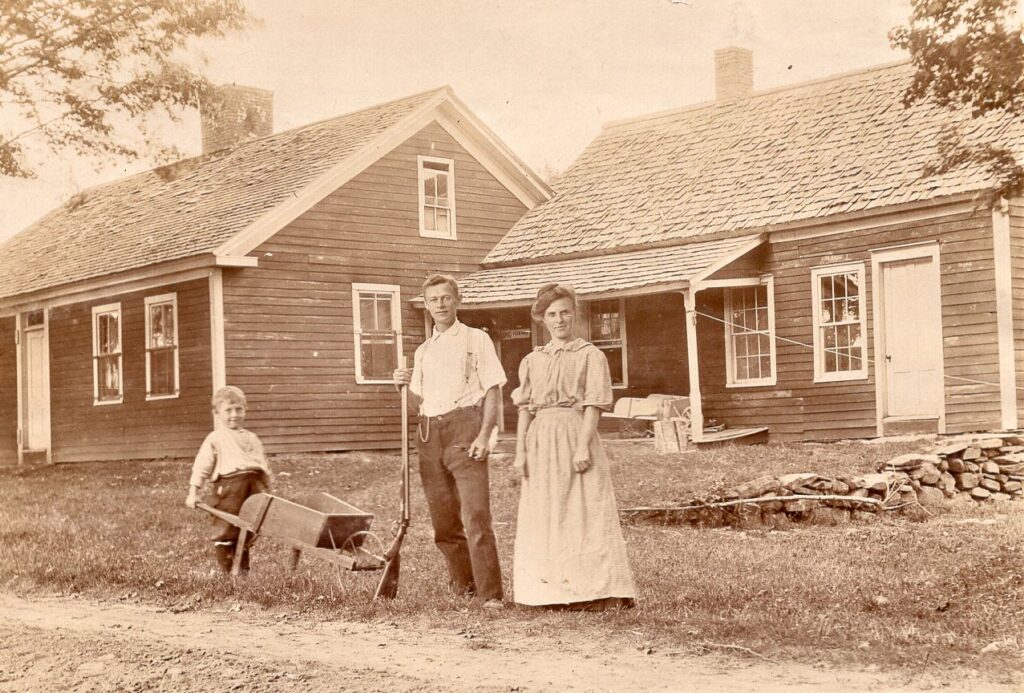
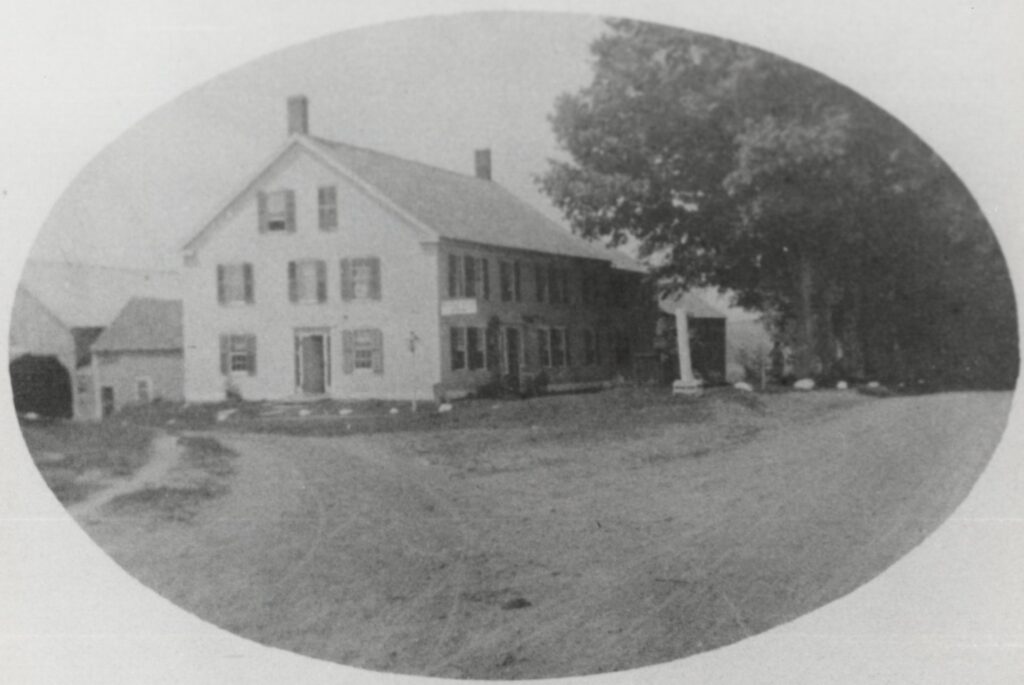
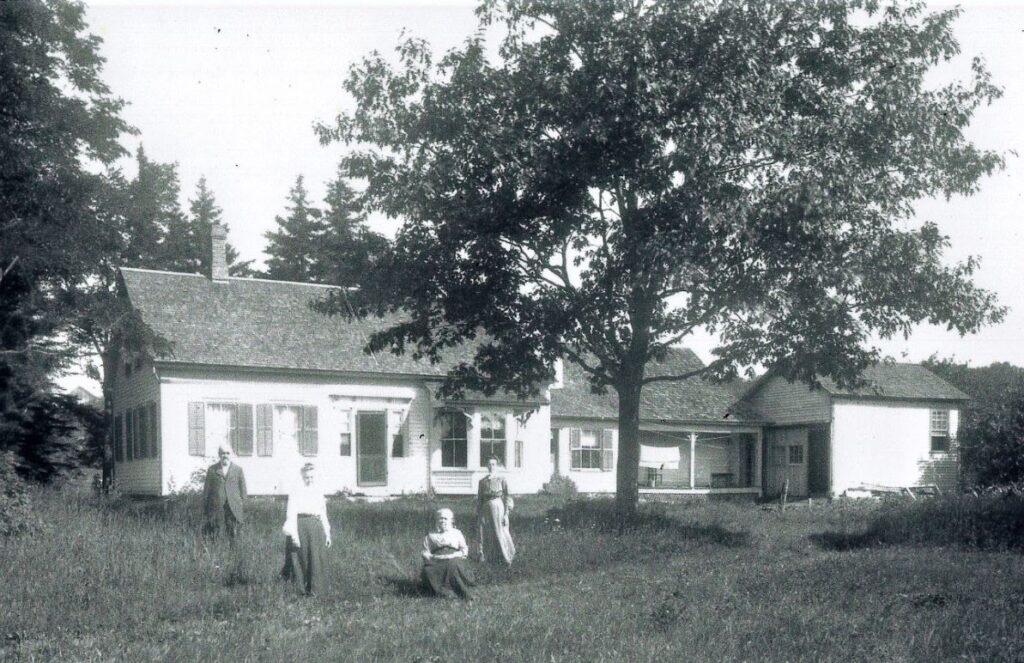
Below are the houses that have been researched. Click on the text of each image to learn more about the history of the home and the people who lived there.
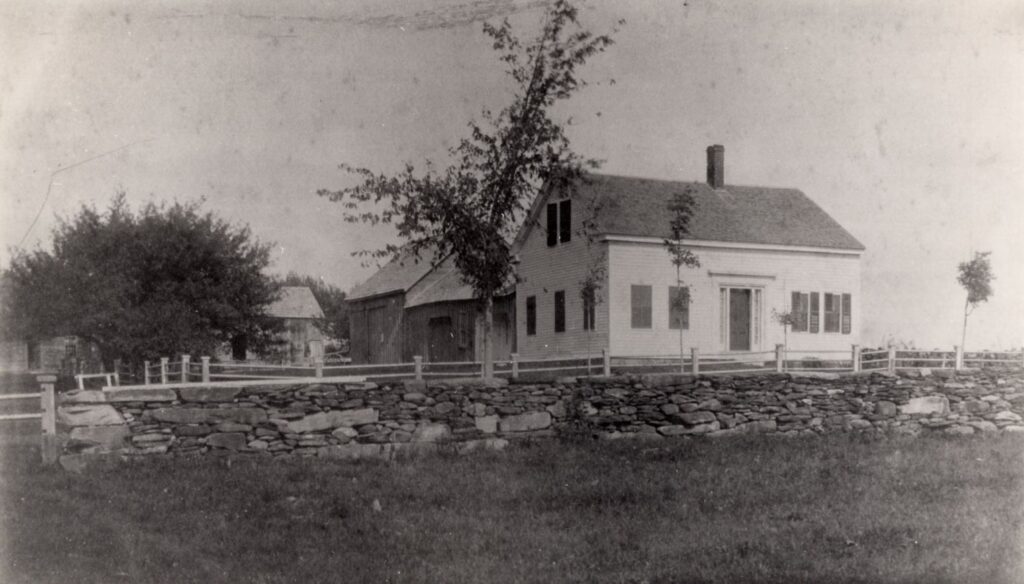
Check out these resources to begin your journey on uncovering the past of your old house.
How to Research the History of Your Old House
Researching My Old House: 178 South Central Street by Lori Austin
Plainfield’s Beginnings by Priscilla C. Allen and Arvilla L. Dyer