Our Old House
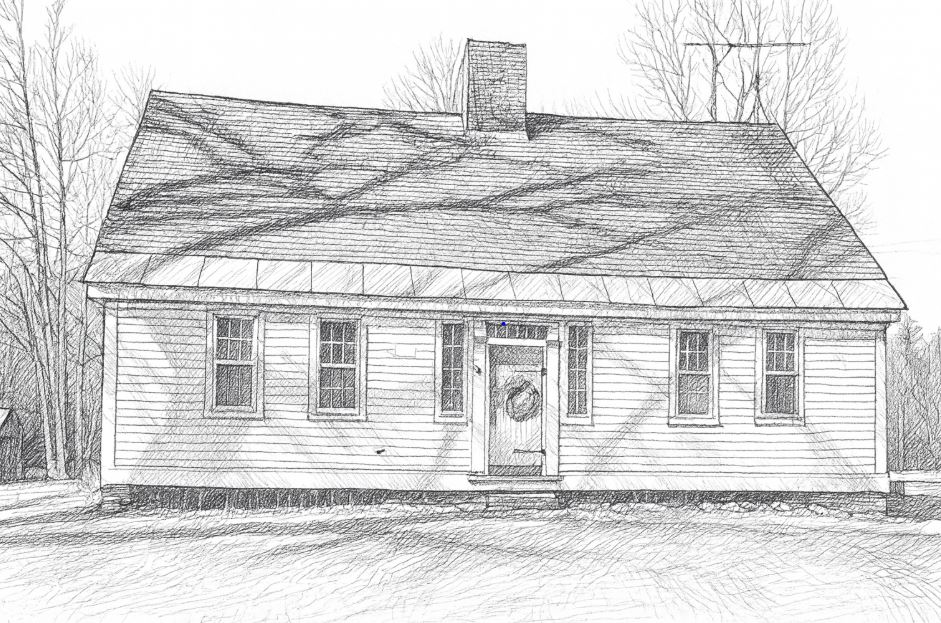
The land that this house sits on was originally part of the Hatfield Equivalent, as was most of the land in Plainfield in the early 18th century. The farmhouse was constructed circa 1791 by John Hamlin[Hamlen] (1762-1852), who is noted in deeds as a “housewright”.
The Hamlin Family
In 1779, at the age of sixteen, Hamlin enlisted in the Revolutionary Army to support the cause of the Declaration of Independence. He served for approximately six months. As a result of his service, he received a modest pension from the government. At the time of his passing in 1852, John Hamlin was the last surviving Revolutionary War pensioner in Plainfield.
In 1790, Hamlin wed Sally Towne (1773-1818) of Windsor, MA, and they established their home in Plainfield, where John constructed this residence. While Hamlin built some of the most notable houses in Plainfield, his own residence stood out for its exceptional quality. As described in C.N. Dyer’s History of Plainfield, “It was thoroughly constructed of the finest materials, and the workmanship was above average.” Over the course of their marriage, from 1791 to 1814, John and Sally welcomed ten children.
John Hamlin actively participated in community affairs: in 1791, he served on a committee to construct the meeting house; from 1800 to 1819, he held the role of selectman; in 1804, he proposed a $25 expenditure for a singing school at the church; in 1807, he was part of a committee tasked with inspecting the pound; and from 1813 to 1815, he represented the community at the General Court in Boston, a journey he made by horse.
Tragically, Sally passed away in 1818 at the age of forty-five. Subsequently, John married Dorothy Gove (1778-1847) of Worthington, Massachusetts in 1819. In 1837, at the age of seventy-five, John publicly declared his faith in Christ and joined the Plainfield Congregational Church. John Hamlin died in 1852 at the age of eighty-nine and is buried in the Packard Cemetery on West Hill Road in Plainfield. It was written in Freeman’s obituary that, “he was a man of thorough honesty and sound judgment; worthy of and received the confidence of the entire community. Humility. sincerity and charity were marked features of his Christian character.”
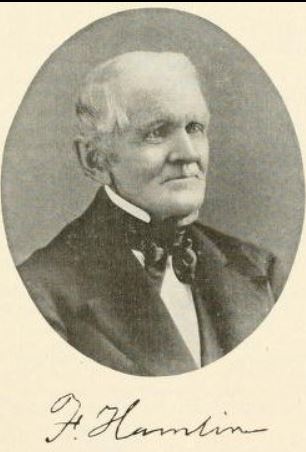
Freeman Hamlen (1805-1889) was the next owner of the house and property. He is recorded as being a farmer but was, at different times, Town Clerk, Treasurer and/or Selectman of Plainfield; a member of the General Court in 1851-52 as a representative for Plainfield, and a member of the Constitutional Convention in 1853. He served as deacon of the Congregational Church from 1844 to 1867 and was leader of the church choir.
Freeman was married in 1829 to Clarissa Whiting Freeman (1810-1847) and together they had one son, Edward Freeman Hamlin (1842-1928), who was a former executive secretary of Massachusetts, which brought him into close contact with 19 governors of the commonwealth, beginning with Alexander H. Rice in 1879, and ending with Calvin Coolidge in 1919. His service in the office of executive secretary covered forty-two years, and he was a pioneer in the establishment of its system and methods, being the appointee when the office was established in 1879.
The Warner Family
James Warner (1798-1890) took possession of the home. James Warner was born on July 13, 1798, in Plainfield to Elijah Warner Jr. (1767-1844), and Elizabeth Mitchell Warner (1777-1849). James married Fidelia Whiton (1799-1887) in 1824. Together they had six children: Dr. James Emerson Warner (1825-1903); Loraine Fidelia Warner (1827-1854); Florilla Dianora Warner (1828–1908) who became a physician; Elizabeth Rachel Warner (1832–1834); Sarah Whiting Warner (1834–1916); and Almon Mitchell Warner (1843–1930) who became a lawyer.
The Atkins Family
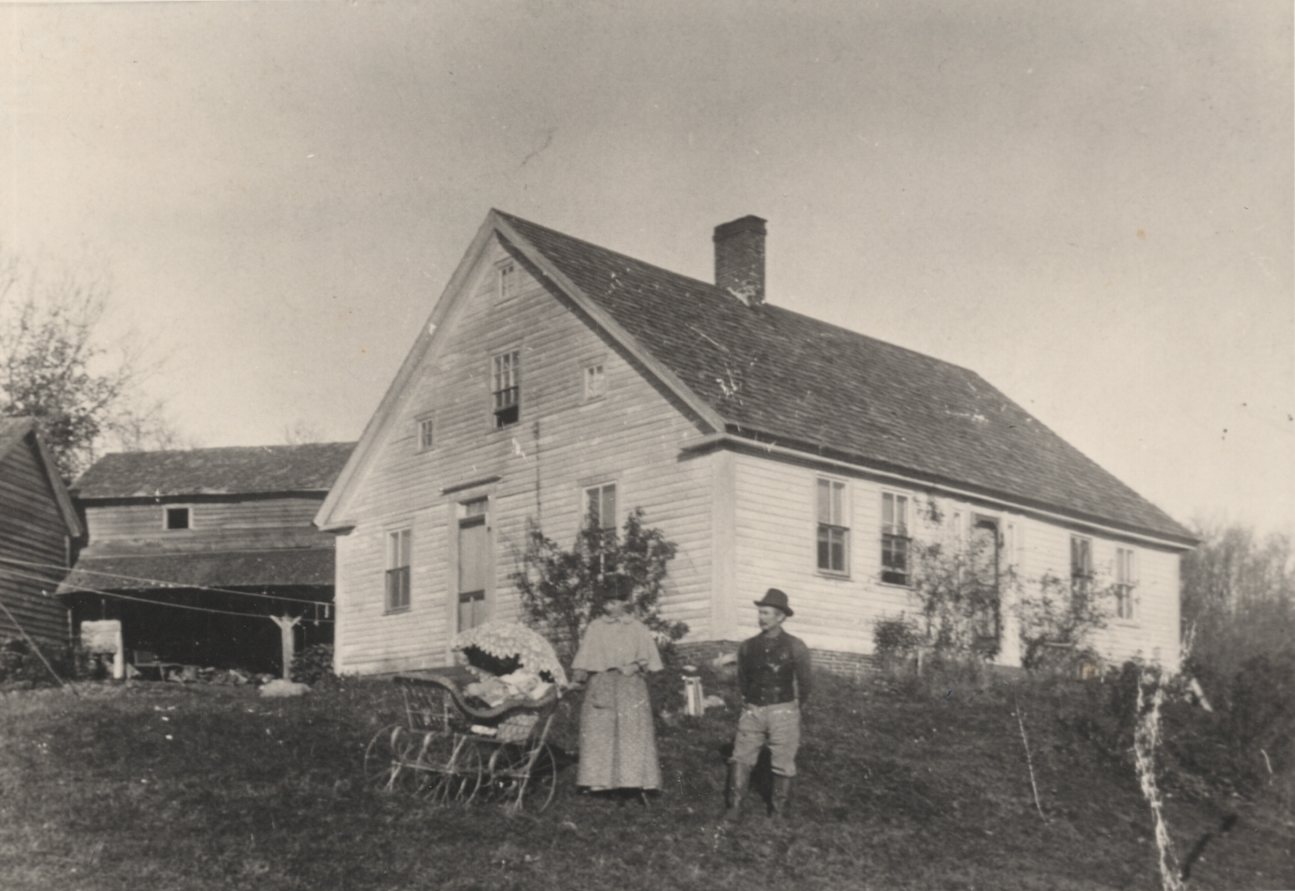
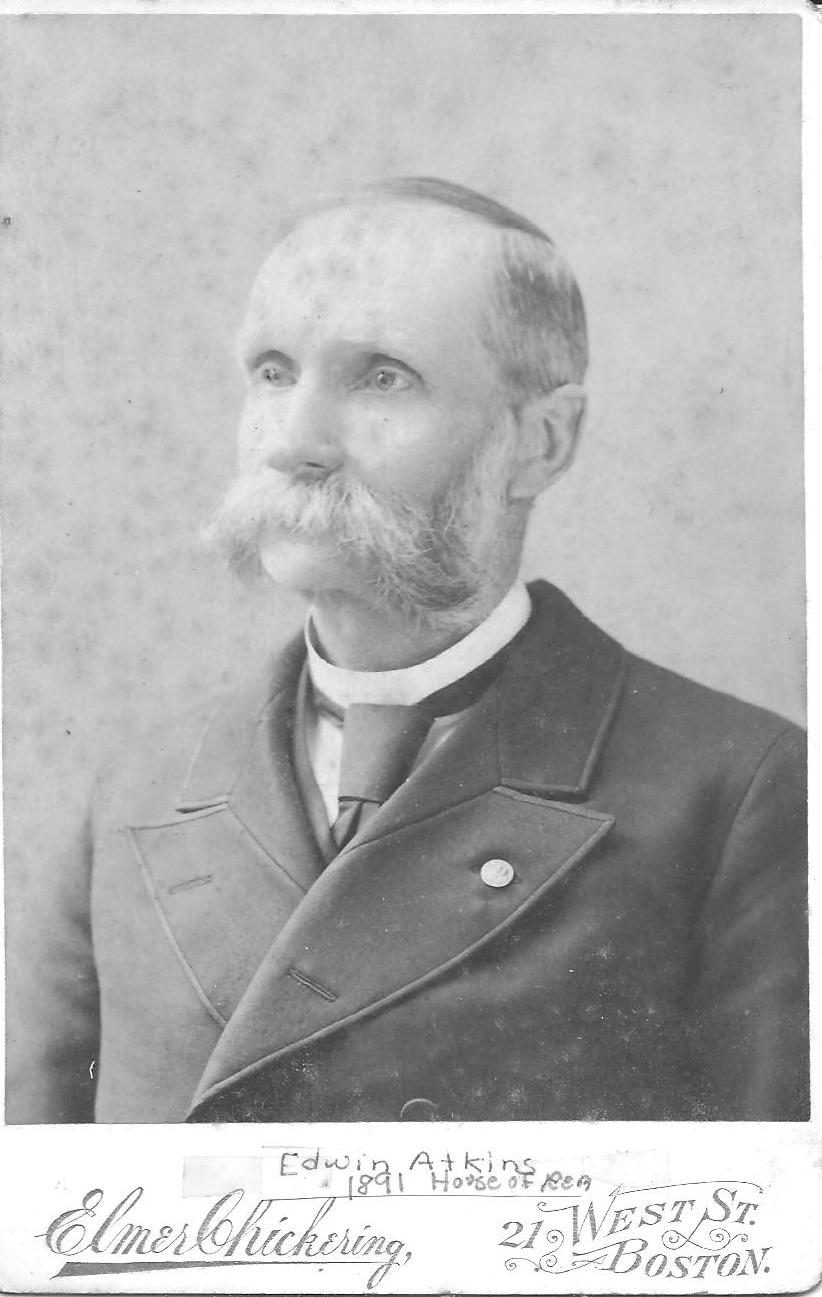
In 1891, Edwin Augustine Atkins (1832-1900) bought the house and the homestead became known as the ‘Atkin’s Place.” Atkins was an active member of the Plainfield community. He was on the school committee from 1857-1861, served as a selectman from 1878-1880, and was a representative in the General Court in 1891. Atkins had also served as a sergeant in the Connecticut Cavalry from Dec. 1861 to Dec. 1864.
Edwin married Mary Edna Latham (1846-1933) in 1867 and they were the parents of two children, Edwin Latham Atkins(1871-1938) and Arthur Henry Atkins (1873-1943) founder and vice-president of the Worcester County Industrial Arts Association and member of many county, state and national education associations.
The Nye Family
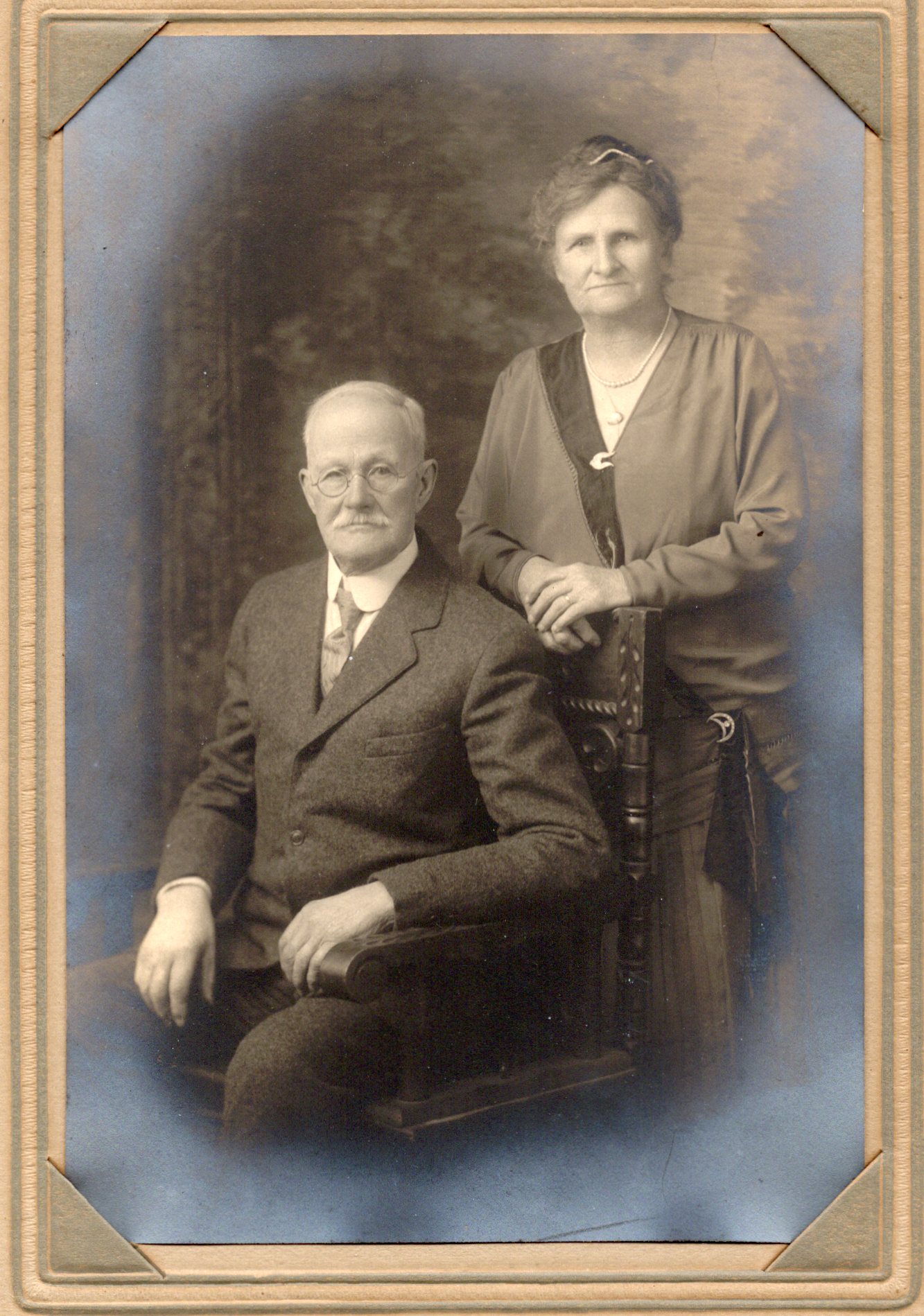
In 1900 deeds show that the homestead was bought by Harlan Eugene Nye (1853-1937) and Cynthia Isabella Hathaway Nye (1865 -1935). Together they had seven children; Alfred Eugene (1883 -1953), Lewis E. Nye (1886-1892), Herbert Wilson (1887-1974), Clayton Monroe (1891-1979), Florence Abby (1899-1999), and Vera Jane (1902-1903). Their son, Clayton remained on the farm after his siblings left and his parents passed.
Clayton Nye attended the No. 5 school, situated at the southwest corner of Governor Hill and Summit initially, before transitioning to an uptown school later on. Despite walking to school in all kinds of inclement weather, he remarkably avoided being late or tardy!
Cayton’s daughter, Thelma recalls. “When we renovated the house, I found a heart drawn in the old plaster with the initials ‘C.M. Nye 10 07.’ I figured it meant October 1907—and he would have been about 16 or 17.”
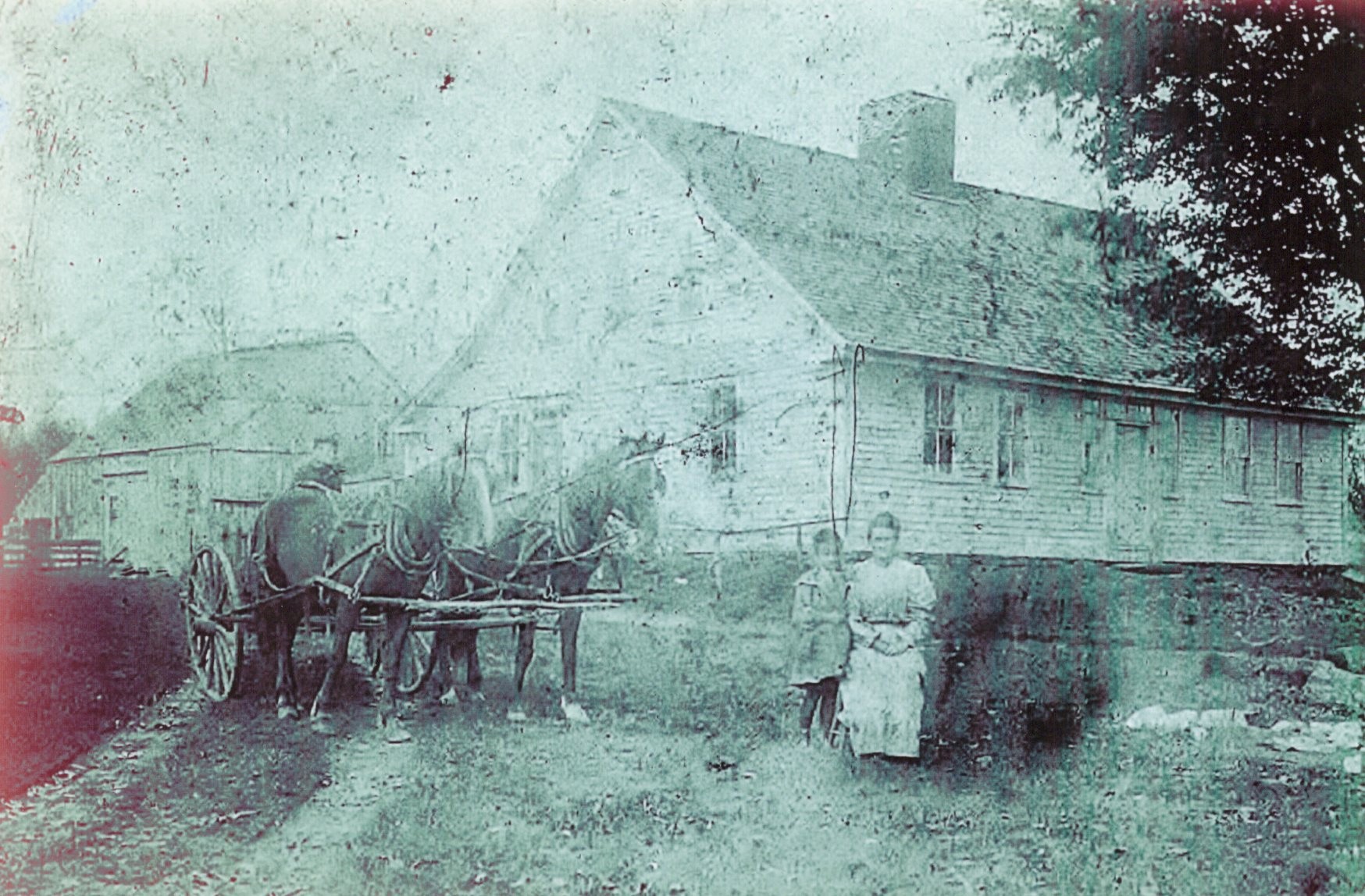
Clayton grew up working on the family farm alongside his father before venturing off to France with the Engineer Corps during World War I. Upon his return, he crossed paths with Mildred Atherton (1905-1986). They met at a dance at the Plainfield Town Hall and soon afterwards were married in a quiet ceremony on July 7, 1924. Long time resident of Plainfield, and all around historian, Fred Tirrel remembered that “something was going on” after seeing them go into the parsonage, with Mildred wearing a fancy hat.
Although her family had relocated to the area in 1919, Mildred remained in Williamsburg to complete her high school education. She attended the North Adams Normal School, now the Massachusetts College of Liberal Arts in North Adams, Massachusetts. Following this, she dedicated two years to teaching at a one-room school nestled on Mountain Street, positioned between Haydenville and Whately.
With her educational background, Mildred earned the opportunity to substitute teach in Plainfield schools before being elected to the School Committee in 1927. Remarkably, she was re-elected 13 times, demonstrating her dedication to education. Her tenure might have continued indefinitely, but after serving for 42 years, Mildred decided it was time to step down.
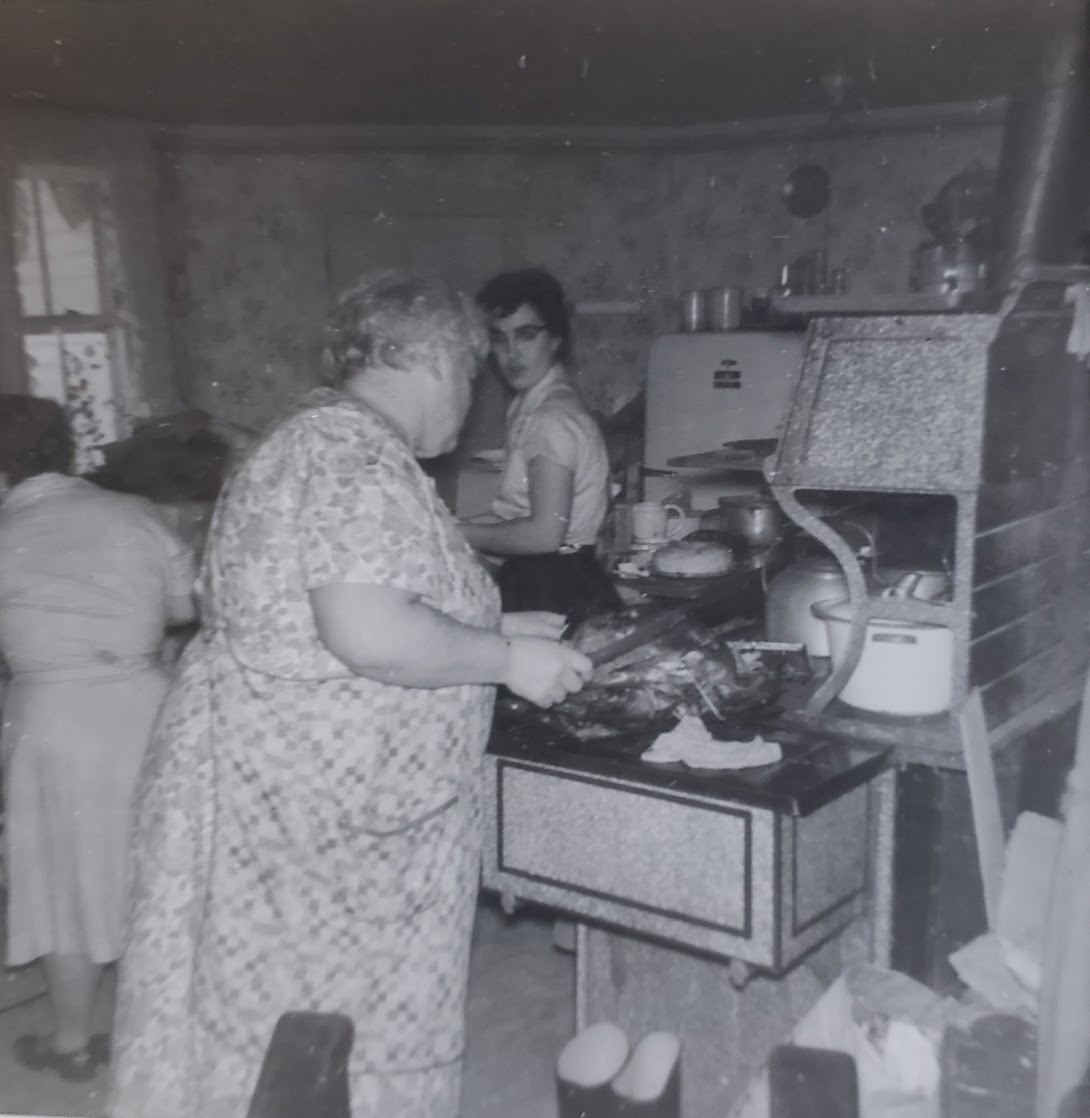
Mildred was also renowned for her skill in baking breads, rolls, and pies that have become regional favorites. The Plainfield Grange recognized her as the area’s leading winner of the rolling pin throw.
Clayton’s contributions to the town are substantial. He served six years as Selectman, presided as moderator at Town Meetings for several years, and presently serves on the Veterans Graves Committee. Additionally, he dedicated 12 years to driving a van-type school bus along diverse routes, which included West Hill Road and extending out to the Savoy line. Like many of Plainfield’s seasoned male residents, Clayton also labored on the roads, particularly during winters when roads weren’t plowed but rather packed, navigating through wooded areas to circumvent drifty spots.
In addition to his various roles, Clayton supplemented his income by hauling milk to the Cummington Creamery and throughout town, laboring in the Cummington Mill, and taking on miscellaneous odd jobs as they arose.
Memorial Day held profound significance for the Nyes. Since his return from war, Clayton consistently marched in the Memorial Day services almost every year. Additionally, both Clayton and Mildred became members of the American Legion Post 304 upon its establishment in 1933, and they remain active members throughout their lives. Clayton even served as Legion Commander, while Mildred held the role of secretary and treasurer.
Mildred also secretaried or treasured most local organizations at one time or another; School Committee Secretary and keeper of the financial records for 40 years; L.B.S.(Ladies Benevolent Society) Secretary for 33 years; Grange Secretary for 39 years; and Congregational Church Treasurer and Assistant Clerk for 15 years.
Clayton was a Granger for 65 years; served as Master for seven of these and also held several other offices. As for the church, he served as Moderator for Annual Church Meetings; as Trustee, and Senior Deacon and Chairman of the Welcoming Committee.
In 1974 the Nye’s were honored with a dedication in the Plainfield Annual Town Report. Amongst all the accolades given was the following:
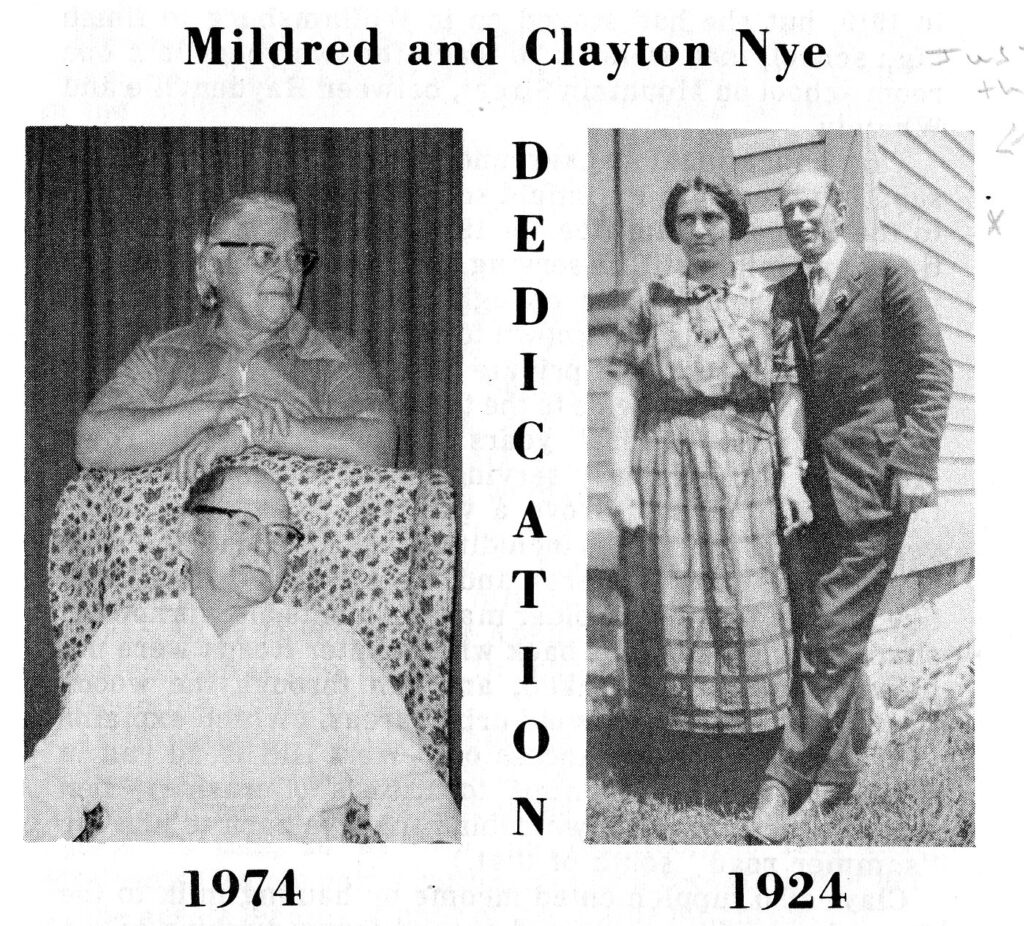
“It is the Nye’s optimistic attitude towards life, and rare sense of humor, that has carried them through a satisfying life that has not been easy, or fancy, in modern day terms. They got electricity in 1948. They still get water from a spring, not well, except when it runs dry. As recently as last year they had occasion to fetch water in containers from a spring 500 ft. off the road on the steepest part of West Hill. They do not have central heating. But the wood stove in their kitchen gives off a warm glow, and so do they. It is a happy home, a nice place to be, where at any time an apparent stranger will stop by and say “do you remember me,’the little Fisher boy who used to visit in the 40’s?” And yes, they do remember, because people are most important to them.”
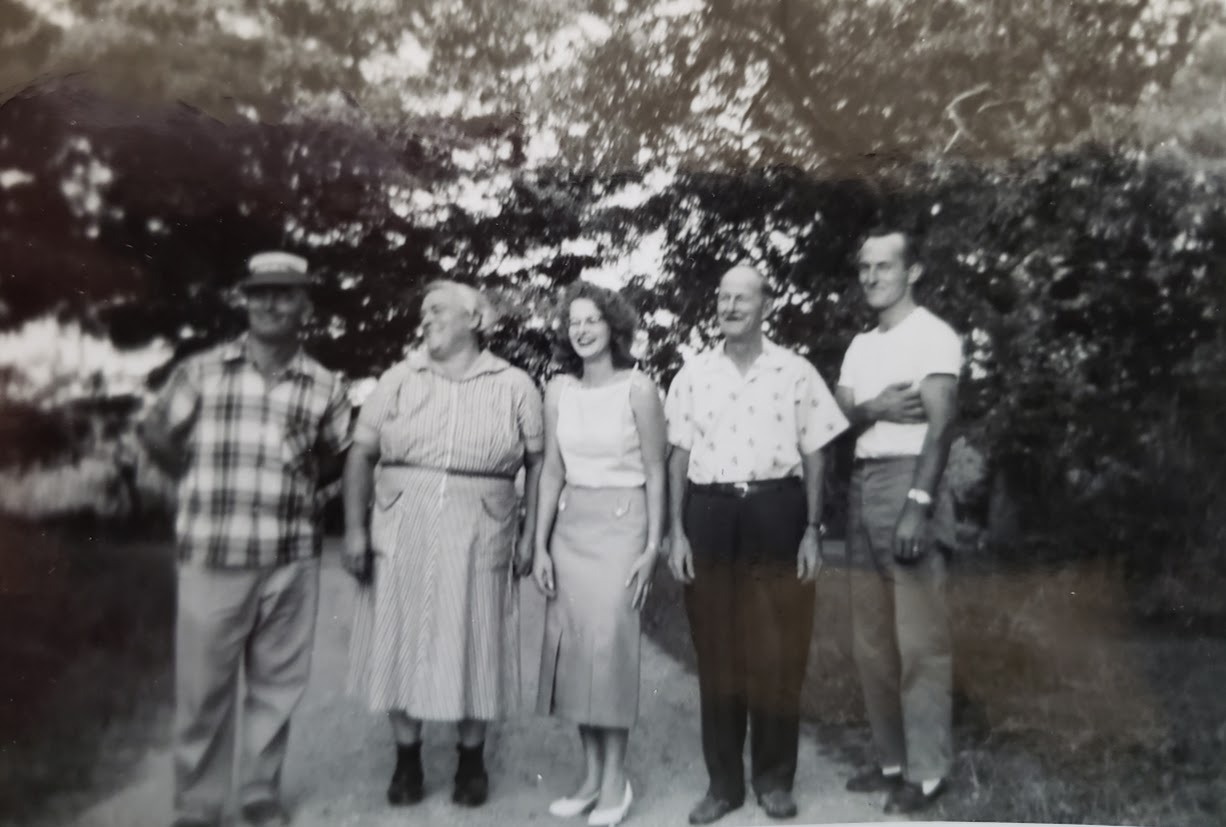
During World War II, a tiny cabin was built on the Nye property on West Hill Road to serve as a lookout post for Plainfield volunteers in the Aircraft Warning Service. Tiny is the key word—many entries in the ledger good-naturedly grumble about the shack’s cramped size. Although no enemy aircraft were ever spotted over Plainfield, the volunteers kept a journal during their shifts. Its pages, mostly from 1942–1943, offer an engaging mix of routine observations, humorous remarks, poetry, prose, and even illustrations. Together, they capture the spirit of the Plainfield residents who served as civilian aircraft spotters and did their part to help keep the country safe during the war.
Clayton died in 1979 followed by his wife, who died in 1986. Both are buried in the Hilltop Cemetery in Plainfield. They left behind three children, Merton Eugene Nye (1926-2010), Walter Owen Nye (1941-present) and Thelma Clarice Nye (1941–present).
Upon her mother’s death, Thelma Nye Pilgrim, and her husband, Jim Pilgrim, took over the homestead.
Thelma and Jim Pilgrim
Thelma was born in 1941 in Northampton, MA—the only one of her siblings not delivered at home in Plainfield. She remembers her childhood on the family farm with great affection, and it was there that she discovered a love of nature that has stayed with her throughout her life.
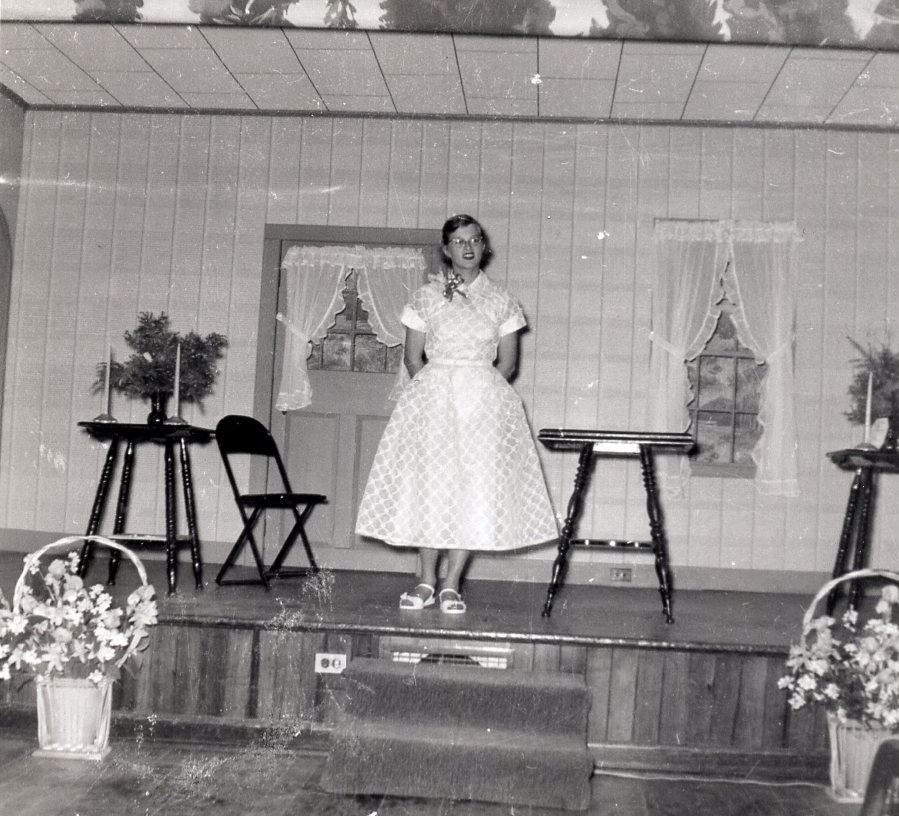
She attended grammar school at the Hallock Memorial School in Plainfield from first to eighth grades, when it was still a two-room schoolhouse and a library, graduating in 1955. Classes were held in what is now the children’s room of the Shaw Memorial Library. She remembers being the only girl in many of her classes, “The teacher let me bring my doll to school and she even gave her her own desk!” Mrs. Dyer was the librarian and she would sit in the corner near the fireplace and her daughter Priscilla Dyer would teach art.”
“They would hold dances in the Town Hall when we would get together with kids from Goshen and Cummington. I remember that often the chaperone would be Fred Tirrell. Sometimes, during lunch at school, Mrs. Sears would teach us to dance.”
Thelma graduated from Northampton High School in 1959. “When I went away to high school it was like going from a little puddle to a great big pond!” She remembers that Leon Streeter Burt (1893-1970) was the school bus driver, picking her up at the church and taking her to school and back, an hour each way.
Upon graduating from high school, Thelma went right to work at Mass Mutual in Springfield, living at the YWCA. After three years she transferred to her companies offices in Tampa, Florida, then to Connecticut General Life Insurance in Bloomfield, Connecticut, where she continued working for 35 years, returning to Plainfield each weekend to visit her elderly parents and to attend services at the Plainfield Congregational Church.
While at Connecticut General, she met a colleague Jim Pilgrim (1938-2013), and in 1978, they exchanged marriage vows.

James Wilfred Pilgrim was born on September 17, 1938, in Chicago, Illinois, to Wilfred George Pilgrim and Edna Kathryn Jettinger Pilgrim. Jim’s strong work ethic emerged early—by age three he was shining shoes for a nickel apiece. A lifelong passion for mowing also took hold in his youth; as a teenager, mowing lawns became his main enterprise, funding his many sports and extracurricular pursuits. Jim eagerly participated in a variety of sports, each leaving him with its own collection of injuries and stories. In later years, he channeled that same enthusiasm into faithfully attending every home game of the North Adams Steeple Cats, a beloved tradition for many seasons.
A proud graduate of Williams College, Class of 1960, Jim began a 23-year career at Connecticut General, earning actuarial credentials—though he was never one to boast about his “letters.” He later continued his professional journey with Frankona America Life Reassurance and Swiss Re, retiring in 1999.
Mildred, still tethered to Plainfield during summers, found solace in a tight-knit group of local supporters. Yet, winters saw her in Bloomfield, residing with Jim and Thelma, given the homestead’s rustic conditions during that period.
The Pilgrim’s affinity for the Plainfield homestead persisted, drawing them there most weekends and whenever they could spare a moment. Jim’s passion for the historic house surged, propelling efforts to preserve it.
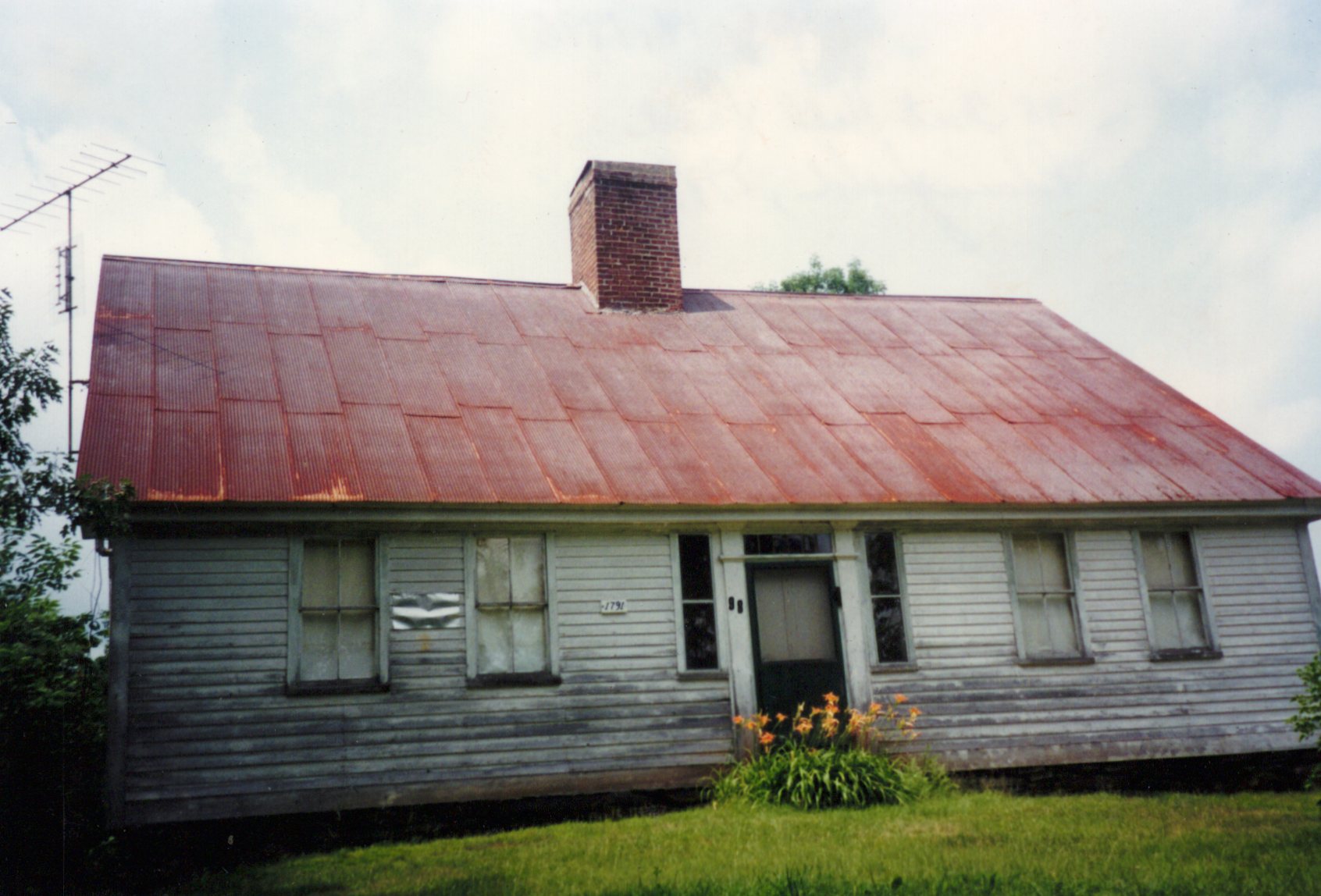
When Mildred passed in 1986 the house became a weekend home for the Pilgrims and for the next ten years they made plans to renovate the home. In 1996 work began on a complete renovation – keeping the footprint of the original home intact and with Thelma’s insistence, keeping the original outhouse, which still stands today. In 1999 the renovations were complete, Jim retired, and the Pilgrims moved into their home in Plainfield permanently.
The Pilgrims followed in the Nye’s footsteps by being active members of Plainfield. Thelma was a devoted member of the Plainfield Grange for over sixty years, serving as Flora first, then Overseer, Master and finally settling in as Secretary. She has served as Moderator and Clerk of the Plainfield Congregational Church, was an active member of the L.B.S, has helped publish the Plainfield Post, is a trustee of the Plainfield Historical Society, and has lent a helping hand to those in need throughout the community.
Jim’s commitment to community was unwavering as well. He served on the boards of the Hilltown Community Health Center and the Mary Lyon Foundation, represented Plainfield on the Carl Nilman Scholarship Committee, and contributed his time and leadership to the Highland Ambulance EMS, Inc.
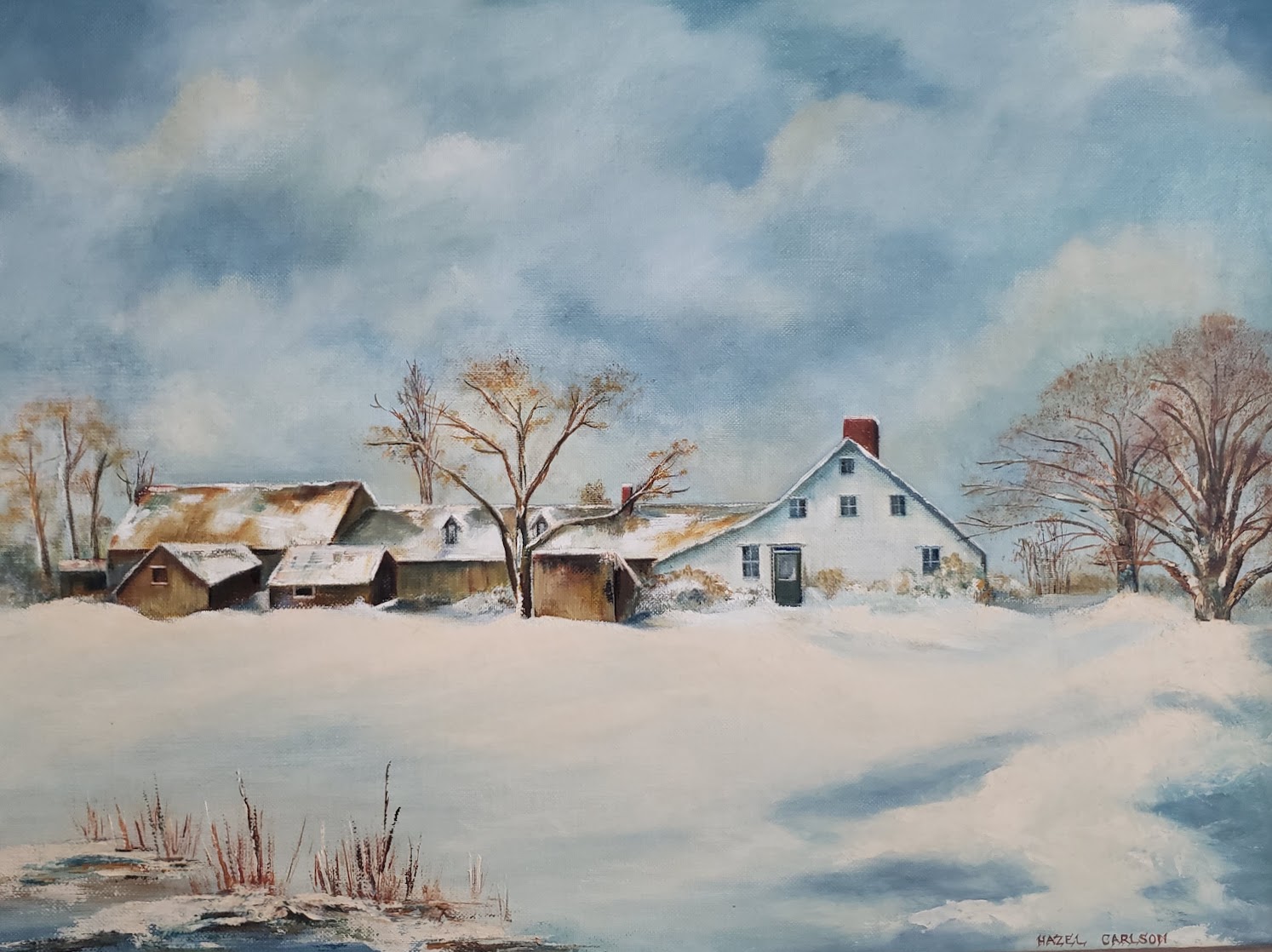
Jim’s zest for life was most evident in his love for children and his joyful, “big kid” spirit. In his later years, he devoted countless hours to volunteering, particularly in youth programs, serving as a Little League umpire and Sunday School teacher. His love for mowing persisted until his final days, with his last mow taking place on September 7, 2013. The joy he found in being outdoors, riding his mower, was palpable, especially in the company of his daughter’s Border Collie, Daisy. Jim passed away on September 28, 2013. He is survived by his wife and three children from a previous marriage: Linda Kathryn Pilgrim, Kevin James Pilgrim, and Brian Reed Pilgrim.
A Gift to the Future

In October 2023, Thelma Nye Pilgrim made a generous decision to donate 86 acres of her property to the Franklin Land Trust, driven by her desire to preserve it for wildlife. “I wanted to keep it for the wildlife,” she explained. “I didn’t want it to be spoiled by houses or other developments, and that’s when I decided to contact the Franklin Land Trust.”
The Nye family’s connection to Massachusetts stretches back to 1635, when Benjamin Nye arrived by ship from England to the Massachusetts Bay Colony. Generations later, Thelma’s parents continued this connection to the land, harvesting wood, tending the land, and growing potatoes in the fields of Plainfield.
“I really like it here because this is where I grew up,” said Thelma, who retained an approximately 5 acre house lot of the property. “Now that I’m a little older, I don’t go out and do a lot of walking around in the woods by myself… but there’s a beautiful big field that I look at out my kitchen window where I see the wildlife.” “There were skunks and snakes and bears and woodchucks and hawks, mice and chipmunks and squirrels,” she said. “I don’t mind a deer visiting even if they do nibble my plants a bit!.”
Thelma Nye Pilgrim grew up feeding apples to beavers, wandering the woodlands, and exploring the open fields and winding stream that flowed through her family’s 86-acre Plainfield property. Now, future generations will have the chance to enjoy those same experiences for years to come.
Architectual Description
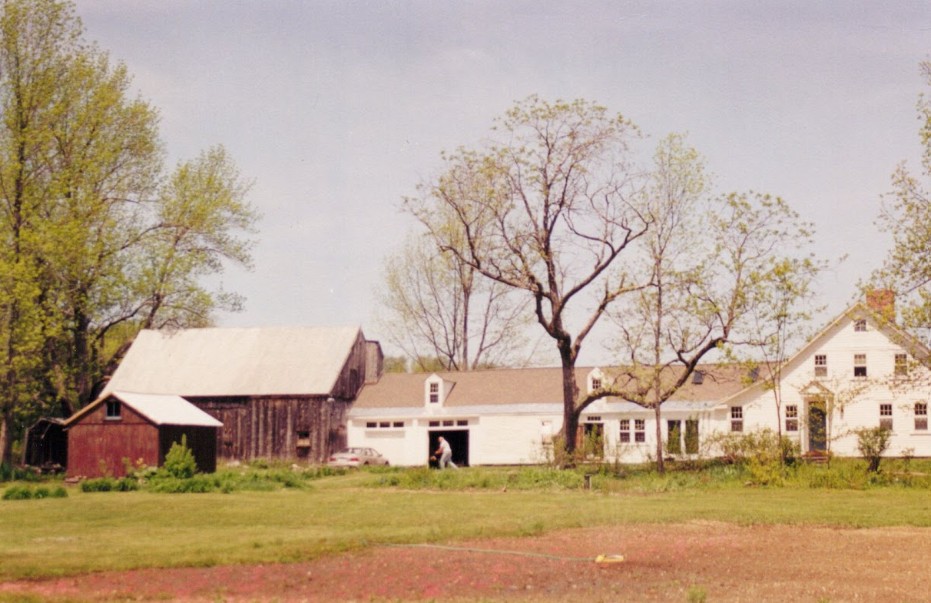
This Federal Cape Cod-style house in Plainfield boasts exceptional preservation, serving as a notable example of the evolution of connected farm buildings in New England. Its design includes a one-and-a-half-story structure with a central chimney, spanning five bays wide. On the south elevation, a shed roof extension on the west side extends the house five bays deep. Notably, the windows on the east facade are positioned close to the eaves. While most sash windows are modern 6/6 replacements, original 4/4 fixed lights can still be observed in the gable ends, providing a glimpse into the construction methods of the earliest settlers.
The east elevation of the house features a central door adorned with pilasters and capitals supporting an entablature, enveloping a distinctive six-light Federal transom. Notably, flanking the door are half-length sidelights, each with four vertical panes of two side-by-side lights—a characteristic arrangement commonly found in Berkshire and Hampshire County.
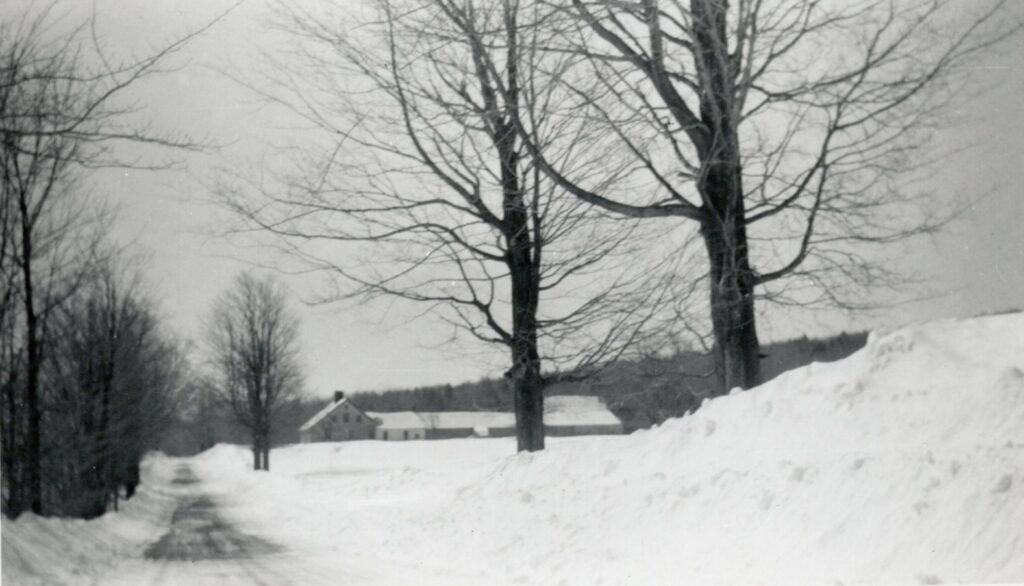
On the south elevation, a secondary entry leads into the main block of the house, accompanied by a four-light transom beneath a later portico supported by posts. Attached to the west side of the house is a one-and-a-half-story ell, boasting two front-gabled dormers on its south-facing roof. Adjacent to the ell lies a two-bay garage followed by an English-style barn.
The ell has undergone modifications to accommodate contemporary needs. These alterations aimed to centralize workspaces, establish a dedicated side yard for farm activities, and designate specialized areas such as workshops outside the main house. These changes improved efficiency and comfort for household tasks while adapting to evolving agricultural practices.
This project has been partially funded by the Massachusetts Cultural council and the Plainfield Historical Society