Also known as the Joy Hotel, The Hotel Plainfield, and the Hampshire Hotel
355 West Main Street, Plainfield, Massachusetts
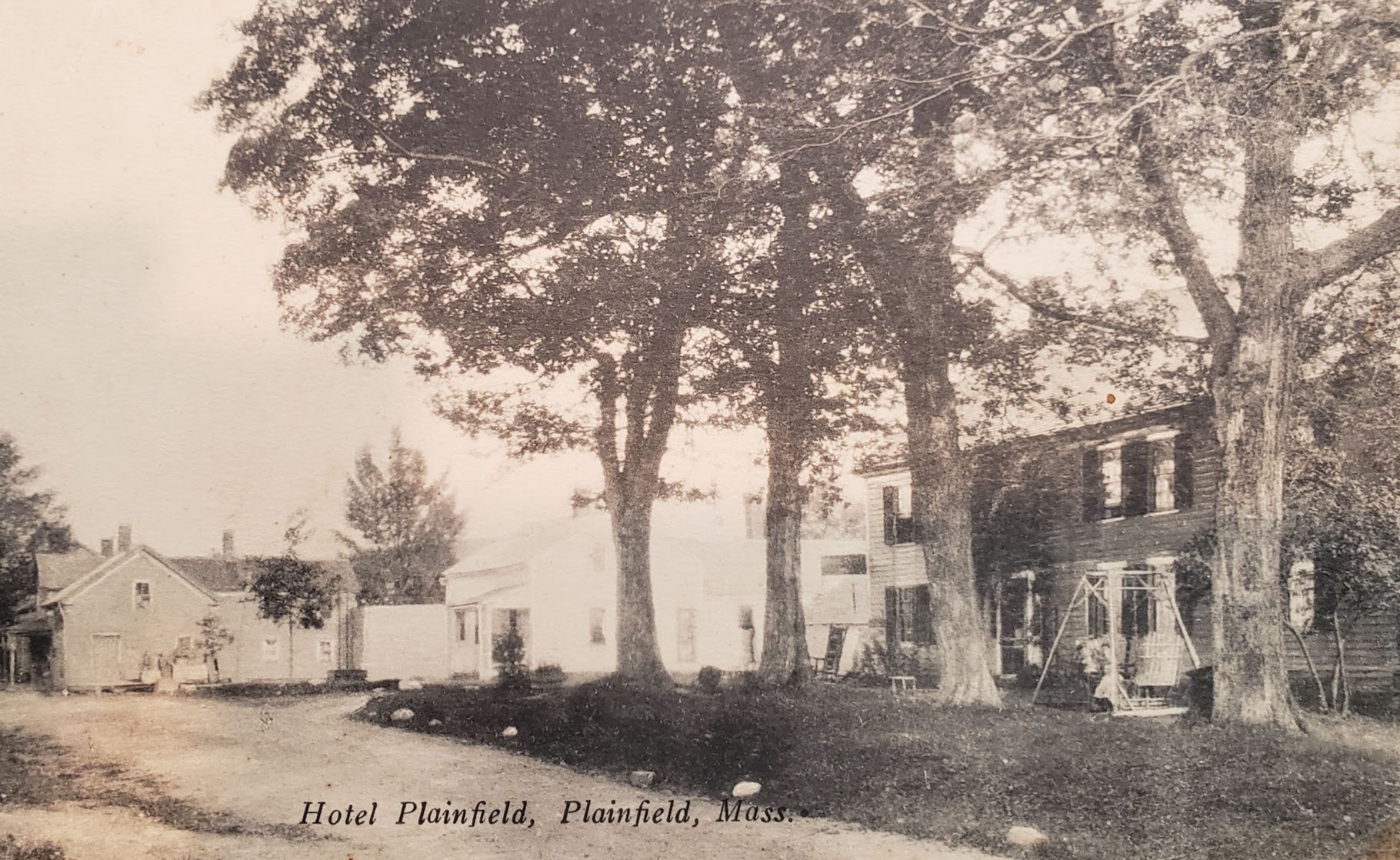
Sometimes a single artifact can open a window into a house’s past. At 355 Main Street, the discovery of an old hotel ledger from the Maplewood Inn did just that. A hotel or inn ledger book acts as a primary historical document, revealing detailed insights into travel patterns, local economies, social history, and daily life. It provides specific data on guest demographics, such as names, dates and where guests lived, as well as the prominence of the hotel as a community hub for social gathering.
The Maplewood Inn ledger reveals a fascinating chapter in this building’s history, documenting visits by notable guests to Plainfield in the late nineteenth and early twentieth centuries. While the ledger is filled with names that are still familiar in the Plainfield area today—local families such as Clark, Thayer, Nash, Sears, Packard, Campbell, Richards, and Dyer, to name just a few—some entries stand out, sparking curiosity and inviting deeper investigation. Entries indicate that guests of the inn came from near and far – from New York to Florida, Philadelphia to South Africa, Boston to Flint, Michigan, Below are a few of those especially intriguing guests.
June 4, 1897 – Frederick D. Gilbert , Cooperstown, New York – artist
Frederick D. Gilbert (1827-1902) was a prominent figure in the legal and social history of Cooperstown, New York, during the late nineteenth century. He served as a Justice of the Peace and was actively engaged in the legal and civic life of Otsego County. His graphic works, produced approximately between 1850 and 1880, depict scenes from Shakespearean plays such as Macbeth and King Henry VIII; examples of these works are preserved in the Folger Shakespeare Library Digital Collections. His lifetime coincided with a period of significant growth in Cooperstown, where he was regarded as a man of “respectability and enterprise,” and he is documented in the New York Genealogical and Biographical Record, situating him within the region’s historical and genealogical record.
May 29, 1898 – Reverend Stephen Pixley, South Africa
Stephen Clapp Pixley (1829–1914) was born on June 23, 1829, in Plainfield, Massachusetts, the son of Noah Pixley (1779–1842) and Hannah Shaw Pixley (1786–1864). Raised in a rural hilltown community shaped by Congregationalist traditions and reformist zeal, Pixley pursued higher education at Williams College, an institution noted in the nineteenth century for its strong missionary spirit. He subsequently enrolled at East Windsor Theological Seminary, where he completed his theological training. Upon graduating in 1855, Pixley was ordained to the ministry.
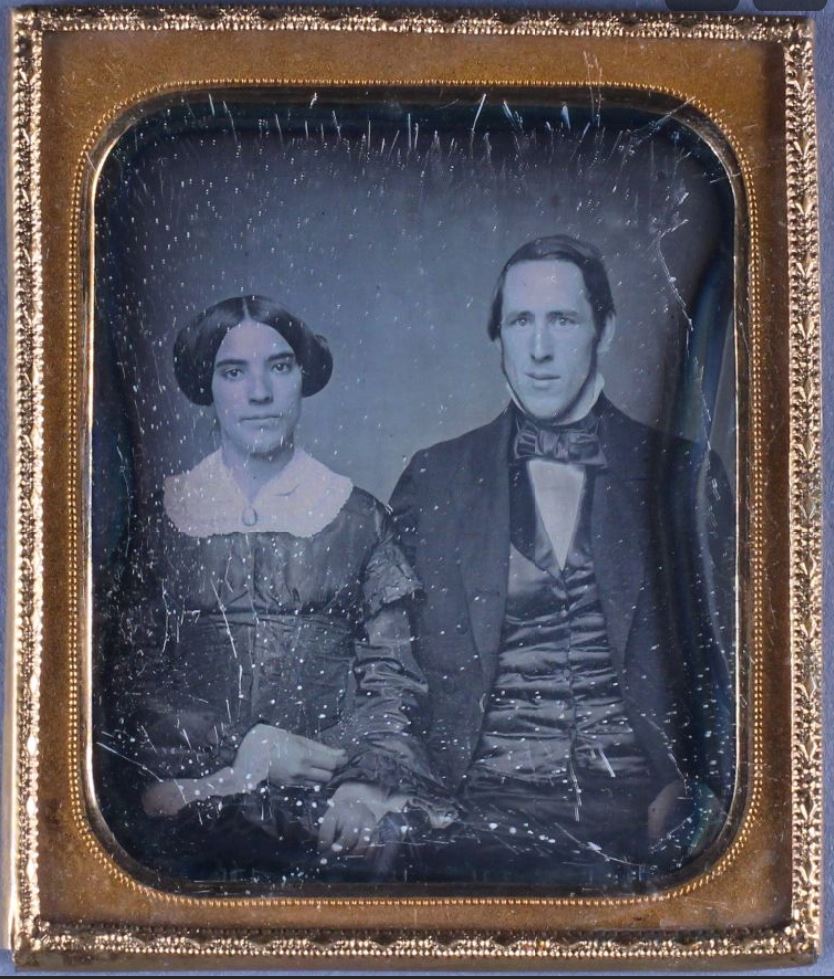
He married Louisa Healy Pixley (1833–1900) of West Chesterfield, Massachusetts, the daughter of Seth Healy (1788-1862) and Martha Alden Healy (1793-1873). She was educated at Mount Holyoke Seminary, an institution established to provide advanced education for women and closely associated with missionary preparation. Her education reflected the era’s expanding opportunities for women within religious and reform movements. Following her marriage to Stephen Pixley, she joined him in missionary service abroad, and sailed for South Africa under appointment from the American Board of Commissioners for Foreign Missions (ABCFM), one of the most prominent Protestant missionary organizations in the United States during the nineteenth century. Founded in 1810, the ABCFM sent missionaries throughout Asia, the Middle East, and Africa, and its work in southern Africa formed part of a broader evangelical and educational enterprise among Zulu communities in the Natal region.
Upon arrival in South Africa, the Pixleys initially resided in Amanzimtoti, a coastal mission station established by American missionaries in the 1830s. They later settled in Inanda, an inland mission center north of Durban, where they would remain for the rest of their lives. Inanda became an important locus of educational and evangelical work, and the Pixleys’ long tenure there coincided with significant political and social transformations in the region, including the consolidation of colonial authority in Natal.
Over the course of their marriage, Stephen and Louisa Pixley had seven children, raising their family within the mission community while continuing their religious and educational work. Stephen Clapp Pixley’s career thus reflects the broader nineteenth-century New England missionary movement: shaped by rural Congregational piety, advanced through institutions of higher learning, and expressed through sustained overseas service under the auspices of the American Board.
Among those influenced by Reverend Pixley was Pixley ka Isaka Seme (1881–1951), born in Natal and originally named Isaac. Orphaned at a young age, he came under the guardianship and mentorship of Reverend Stephen C. Pixley, whose support proved decisive in shaping his education. In recognition of this relationship, Seme adopted the name “Pixley” when applying in 1898 to the Northfield Mount Hermon School (then Mount Hermon School) in Gill, Massachusetts, where Reverend Pixley had helped secure his admission. This is likely when Reverend Pixley stayed at the Maplewood Inn.
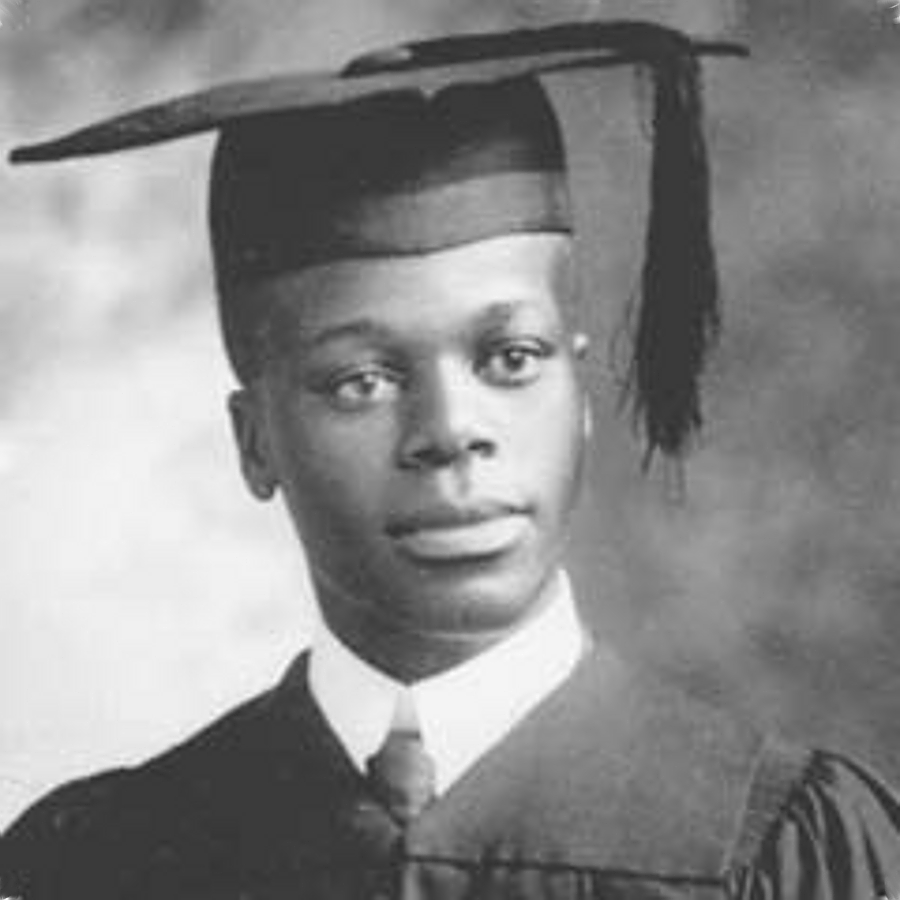
Seme later earned a B.A. from Columbia University in 1906, where he delivered his notable address, “The Regeneration of Africa,” articulating a vision of African unity and self-determination that would define his political philosophy. Seme went on to study law at the University of Oxford, becoming one of the first Western-educated Black South Africans trained in both the United States and Britain.
Returning to South Africa, Seme became one of the first Black lawyers in Johannesburg and in 1912 helped found the African National Congress (originally the South African Native National Congress), serving as its first treasurer and later president-general from 1930 to 1936. He also founded the newspaper Abantu-Batho and advocated for African political rights and land reform. Seme remains a foundational figure in the early struggle against racial discrimination in South Africa, reflecting the transnational networks of missionary education and emerging African nationalism.
Although his presidency of the ANC was marked by internal challenges and political constraints, Seme remains a foundational intellectual and organizational architect of South Africa’s struggle against racial discrimination. His life reflects the transnational networks of missionary education, legal training, and political activism that shaped early twentieth-century African nationalism.
June 10-12, 1899 – Richard Coleman and Professor Andy Johns, Kickapoo Medicine Company
The Kickapoo Indian Medicine Company became widely known for its traveling medicine shows, which combined the sale of patent medicines with staged “Native American” entertainment, including company-sponsored powwows, displays of horsemanship, and other theatrical performances. Its most successful product, Kickapoo Indian Sagwa—a so-called blood, liver, and stomach regulator—was marketed as an authentic Indigenous remedy, though in reality it consisted primarily of grain alcohol, beer, and laxatives.
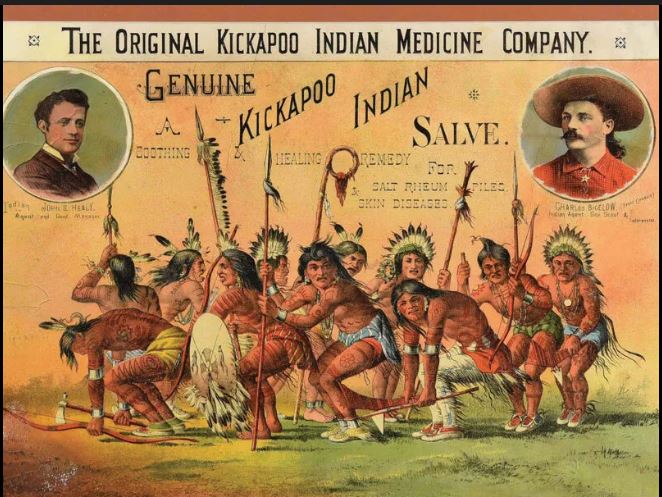
Contrary to its advertising, the company was not owned or operated by Native Americans. It was founded in Connecticut in the late nineteenth century by Charles Bigelow and John Healy, two white entrepreneurs with no ties to the Kickapoo Indian Community, who fabricated the company’s origin story and greatly exaggerated the efficacy of its products. To bolster credibility, they obtained endorsements from well-known figures of the era, including Buffalo Bill Cody, a fellow pioneer of traveling medicine shows, who proclaimed that “Kickapoo Indian Sagwa … is the only remedy the Indians ever use, and has been known to them for ages,” adding that an Indian would sooner be without “his horse, gun or blanket” than without Sagwa.
During the nineteenth century, traveling medicine shows ranked among the most popular—and profitable, at least for their promoters—forms of entertainment across the United States. Their origins likely lay in the practices of talkative itinerant peddlers who sold homemade remedies from backpacks or wagons. Because many so-called “patent medicines” could be mixed quickly from inexpensive ingredients such as spring water, sugar, alcohol, and flavorings, these concoctions generated far greater profits than goods that had to be purchased and resold.
As the commercial potential became clear, enterprising merchants increasingly expanded the entertainment aspects of their operations to draw larger crowds. Over time, some medicine shows grew into elaborate spectacles, featuring as many as two or three hundred performers across multiple acts. Among the largest of these enterprises was the Kickapoo Indian Medicine Company, which reportedly employed 300 Native Americans—none of whom were Kickapoo—recruited through Indian agents, and traveled by train rather than by wagon.
The company relied heavily on sensational testimonials to promote its products. One such account claimed: “I have been troubled for years with a disease that baffled the doctors. I finally bought and took one 25-cent box of Kickapoo Indian Worm Killer, and soon enough, to my great astonishment, I passed a tapeworm measuring, head and all, a full fifty feet.”
September 16, 1909 – Charles J. Glidden, Boston – “Massachusetts” pilot
“Arrived in the balloon, ‘Massachusetts’ from Pittsfield Mass. landing on West Mountain at 3:30 pm, ascended at 2:05 in clouds, air line distance 20 miles. Time: one hour and 25 minutes.”
Charles Jasper Glidden (August 29, 1857 – September 11, 1927) was an American telephone pioneer, financier, and early promoter of the automobile and aviation. Born in Lowell, Massachusetts, and adopted by Nathaniel Glidden and Laura Clark, he began his professional career at fifteen and, by twenty, had become a branch manager for the Atlantic and Pacific Telegraph Company. Recognizing the promise of the telephone, he collaborated with Alexander Graham Bell in experimenting with transmitting telephone signals over telegraph lines. Glidden financed the construction of telephone lines in Manchester, New Hampshire, promoted the employment of women as operators, and helped establish one of the earliest long-distance telephone connections, from Lowell to Boston. His expanding telephone interests eventually formed a syndicate serving several states. In 1901, he sold his company to Bell interests and turned to new pursuits.
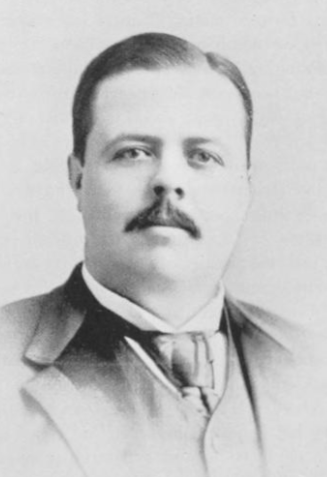
Convinced that the automobile would become a practical means of transportation, Glidden sought to build public confidence in the emerging technology. In 1902, he and his wife, Lucy Emma Clegworth, became the first to circumnavigate the globe by automobile, traveling in a British Napier over more than 46,000 miles through thirty-nine countries—an achievement they repeated in 1908. Their journeys, widely publicized, brought motor travel to regions that had never before seen a car.
Glidden’s interests extended to aviation. From 1905 to 1910 he served as the first president of the Aero Club of America, promoting both ballooning and the future of private flight. He died of cancer in Boston on September 11, 1927, leaving a legacy tied to the early development of telecommunications, automotive endurance touring, and American aviation.
In 1909, Pittsfield, Massachusetts, emerged as one of New England’s principal centers of aeronautical activity. Under the auspices of the Aero Club of New England, the city regularly hosted public balloon ascensions that drew large crowds and extensive newspaper coverage. Much of this activity was centered on the open grounds that later became known as Belanger Field, which served as a launching site for competitive and exhibition flights.
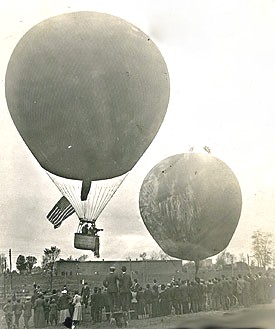
Among the most prominent balloons associated with these events was the gas balloon Massachusetts, which made several well-publicized ascensions during the year. On June 15, 1909, Massachusetts completed a successful ascent in the face of strong northwest winds, demonstrating both the skill of its pilot and the growing technical confidence of American balloonists. These ascensions unfolded within the context of a spirited “balloon war” between Pittsfield and neighboring North Adams. Local newspapers, particularly The Eagle, championed their respective cities’ aeronauts, framing each ascent as a matter of civic pride. This rivalry reflected broader early twentieth-century enthusiasm for aviation, in which ballooning—soon to be eclipsed by powered flight—symbolized technological progress, daring, and municipal ambition.
This project is partially funded by the Plainfield Cultural Council and the Plainfield Historical Society.