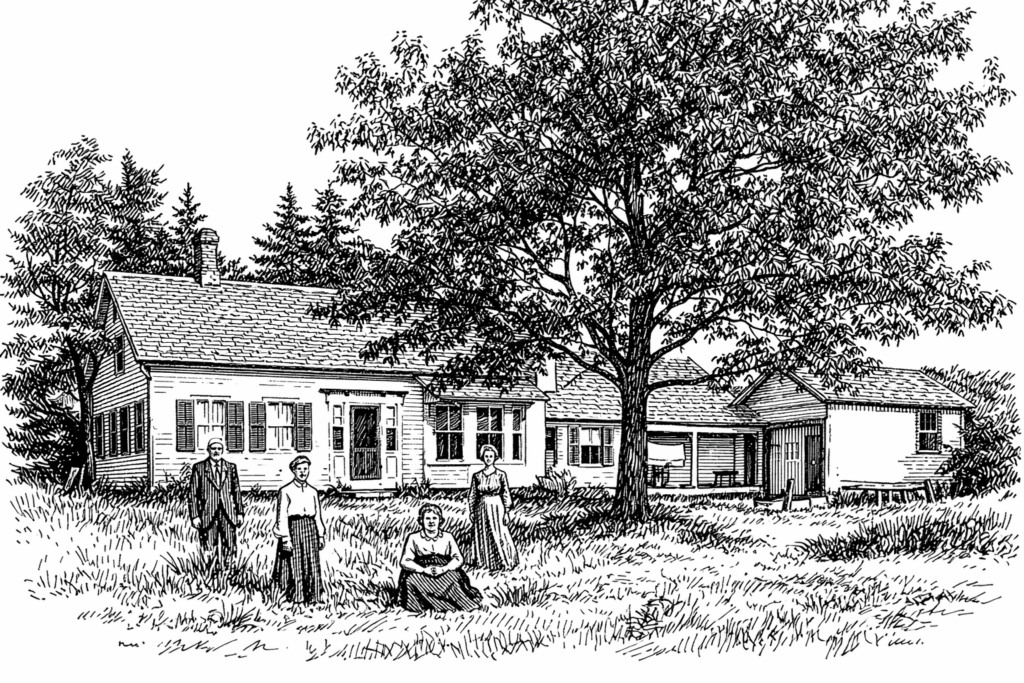
The Hayward Family
Captain James Hayward (1764–1839), a veteran of the American Revolution from Concord, Massachusetts, was among the early settlers and civic leaders of Plainfield. (It is important to distinguish Captain James Hayward (1764–1839) from his relative, James Hayward (1750–1775), a famous “Minuteman” from Acton. While the 1764-born James served and attained the rank of Captain, the 1750-born James is renowned for his fatal encounter with a British soldier at the Battle of Lexington on April 19, 1775.)
In 1793 Captain James Hayward established his family homestead on this property, becoming part of the first generation of residents who shaped the town’s early development. Hayward quickly assumed a role in local government, serving as a selectman from 1795 to 1798. He remained a respected member of the community throughout his life and, upon his death in 1839, was buried in Plainfield’s Pleasant Street Cemetery alongside many of the town’s founders.
Captain Hayward and his wife, Elizabeth (1768–1855), raised a family whose members achieved distinction in education, religion, public service, and literature. Their son James Hayward Jr. (1786–1866) pursued higher education at Harvard College, graduating in 1819. He later became a professor of mathematics and natural philosophy and authored the textbook Elements of Geometry. His early education included study under the Reverend Moses Hallock, the influential Plainfield minister and educator whose academy served many students from the hilltowns.
Another son, the Reverend Tilly Brown Hayward (1797–1878), also attended Harvard, graduating in 1820. He spent many years teaching before entering the ministry as a Swedenborgian clergyman, reflecting the era’s diverse religious currents.
Following Captain James Hayward’s death in 1839, the family farm—then consisting of approximately sixty-four acres—passed to his son Stephen. Stephen Hayward (1787–1881) remained closely tied to Plainfield and became a prominent public servant in the town. Over the course of his long life he served as a selectman from 1839 to 1845, participated on the local school committee, and later represented Plainfield in the Massachusetts General Court in 1871. A successful farmer and substantial landowner on South Street, Stephen Hayward expanded the property to about seventy-five acres and in 1841 enlarged the original house, reflecting the prosperity of the family during the mid-nineteenth century. Stephen married twice: first in 1812 to Jennette Bisbee Hayward (1790–1838), and later, in 1839, to Tirzah Stetson Hayward (1802–1882). In total he had seven children, though three died in infancy, a common hardship of the period.
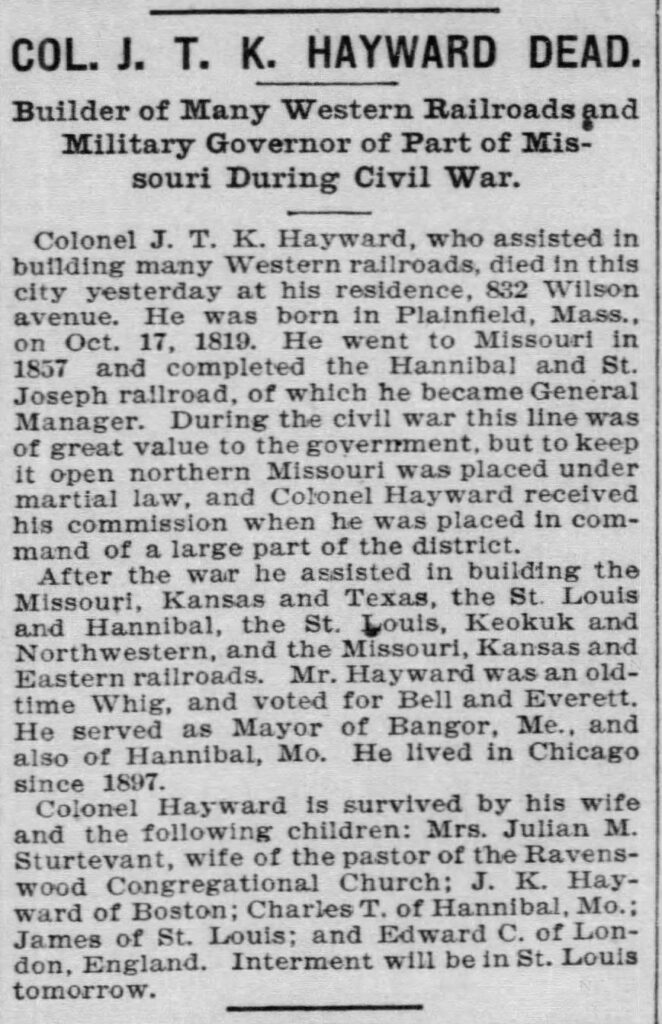
Members of this next generation also achieved distinction beyond the hilltown. Colonel John Thornton Kirkland Hayward (1819–1901), Stephen’s son, moved west to Missouri in 1857 during the period of rapid railroad expansion. There he helped complete the Hannibal and St. Joseph Railroad and eventually became its general manager. During the Civil War the line held strategic importance for the Union government. To protect its operations, northern Missouri was placed under martial law, and Hayward was commissioned as a colonel and given command over a large portion of the district. After the war he continued his work in railroad development, assisting in the construction of both the Missouri, Kansas and Texas Railroad and the St. Louis and Hannibal lines.
Stephen Hayward’s daughter, Fidelia Cook Hayward (1816–1897), achieved prominence in the field of journalism. She served as superintendent of the literary department of the influential Springfield Republican, one of the most important newspapers in nineteenth-century New England, where she played a significant role in shaping its literary content. She is historically noted for her relationship with Emily Dickinson; research indicates that Cooke’s work at the Springfield Republican likely influenced or facilitated the publication of some of Dickinson’s early poems.
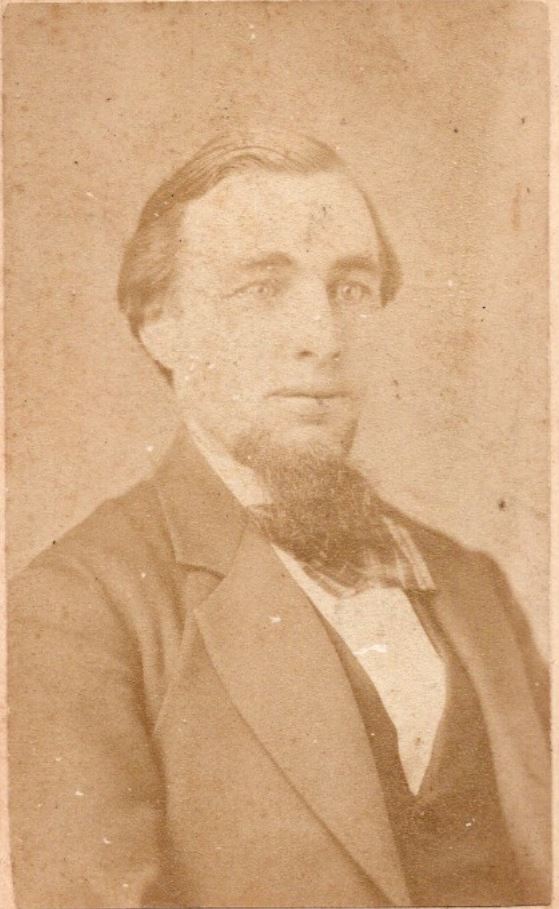
Another son, Stephen Hayward Jr. (1842–1912), carried forward both the family’s civic and military traditions. During the Civil War he served as a corporal in the 46th Massachusetts Volunteer Infantry. After returning to Plainfield, he followed his father into public service as a selectman and member of the school committee. He also contributed to the town’s cultural life, founding Plainfield’s first dramatic club and helping to stage a production of Uncle Tom’s Cabin in 1870.
Through several generations, the Hayward family played a notable role in the civic, intellectual, and cultural life of Plainfield and beyond, linking this homestead to broader currents in nineteenth-century American education, journalism, transportation, and public service. The family’s generational ownership of the homestead ended in 1884 when Stephen Hayward, Jr. sold the farm to Seth Clark.
The Clark Family
Seth Williams Clark (1833–1907) was born in Plainfield, Massachusetts, into a family descended from some of the town’s early settlers. He was the son of Chester Clark (1805–1885) and Minerva Jones Clark (1811–1885), both members of long-established Plainfield families whose roots extended back to the early years of the hilltown community.
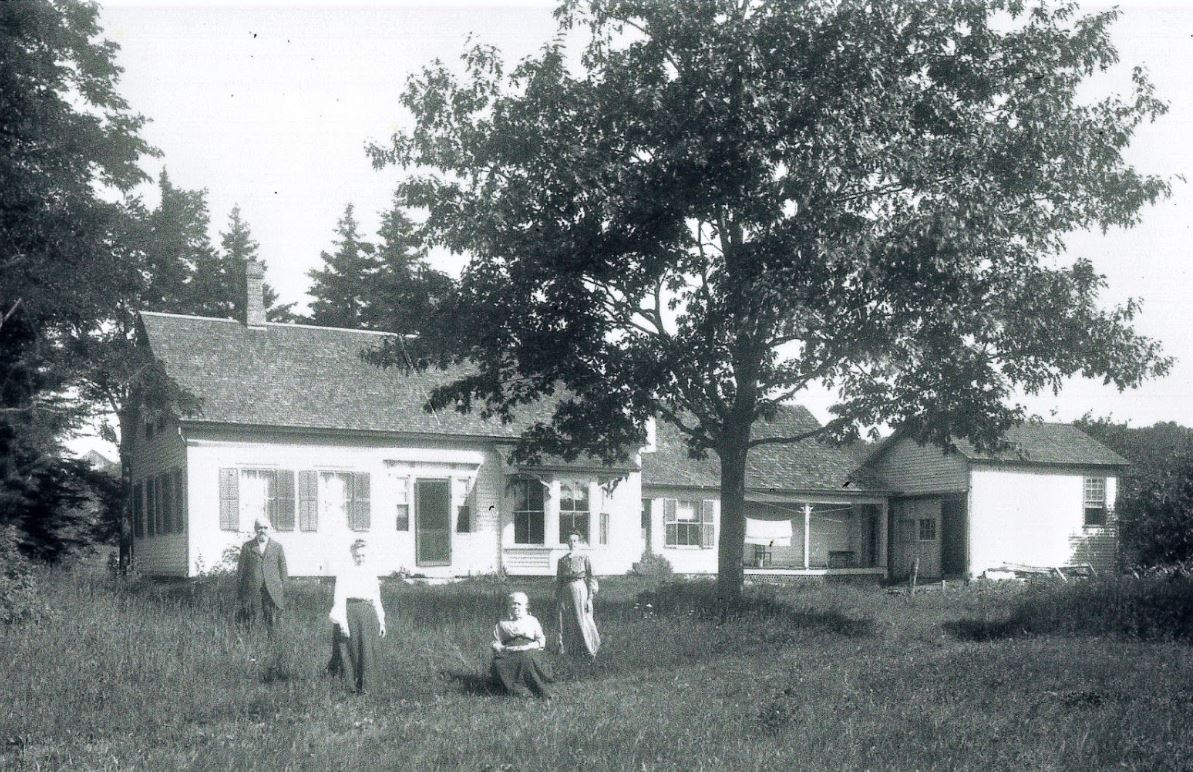
In 1855 Clark married Nancy W. Jones (1834–1910). The couple initially settled in Brooklyn, New York, where their first two children were born: Nellie M. Clark Tirrell (1857–1944) and Fred D. Clark (1860–1921). Around 1862 they returned to Plainfield to establish their permanent home, reflecting the enduring connection many families maintained with their rural origins even after periods spent in urban centers. In Plainfield three additional children were born to the family: Alice C. Clark (1868–1941), Marian N. Clark (1870–1961), and Frank S. Clark (1873–1875), the latter dying in early childhood.
Clark became a prominent figure in the civic life of the town. A dedicated public servant, he was elected selectman in 1873 and served in that capacity for six years, frequently acting as chairman of the board. His commitment to education was equally notable; beginning in 1863 he served for thirteen years on the Plainfield School Committee, helping guide the administration of the town’s schools during a period of important development in rural public education.
Beyond town government, Clark was active in both economic and religious institutions in the region. He served as the founding president of the Cummington Creamery Association, reflecting the growing importance of cooperative dairying in the agricultural economy of western Massachusetts during the late nineteenth century. In religious life he was a devoted member of the Congregational Church and in 1877 was elected a deacon, a position that carried both spiritual and community leadership responsibilities.
Clark purchased the family homestead from the Hayward family, linking the property to another long-standing Plainfield lineage. Over time portions of the land were divided among family members, yet the core homestead remained in the possession of the Clark family for many decades. Seth W. Clark died in 1907 and was buried in Plainfield’s Hilltop Cemetery.
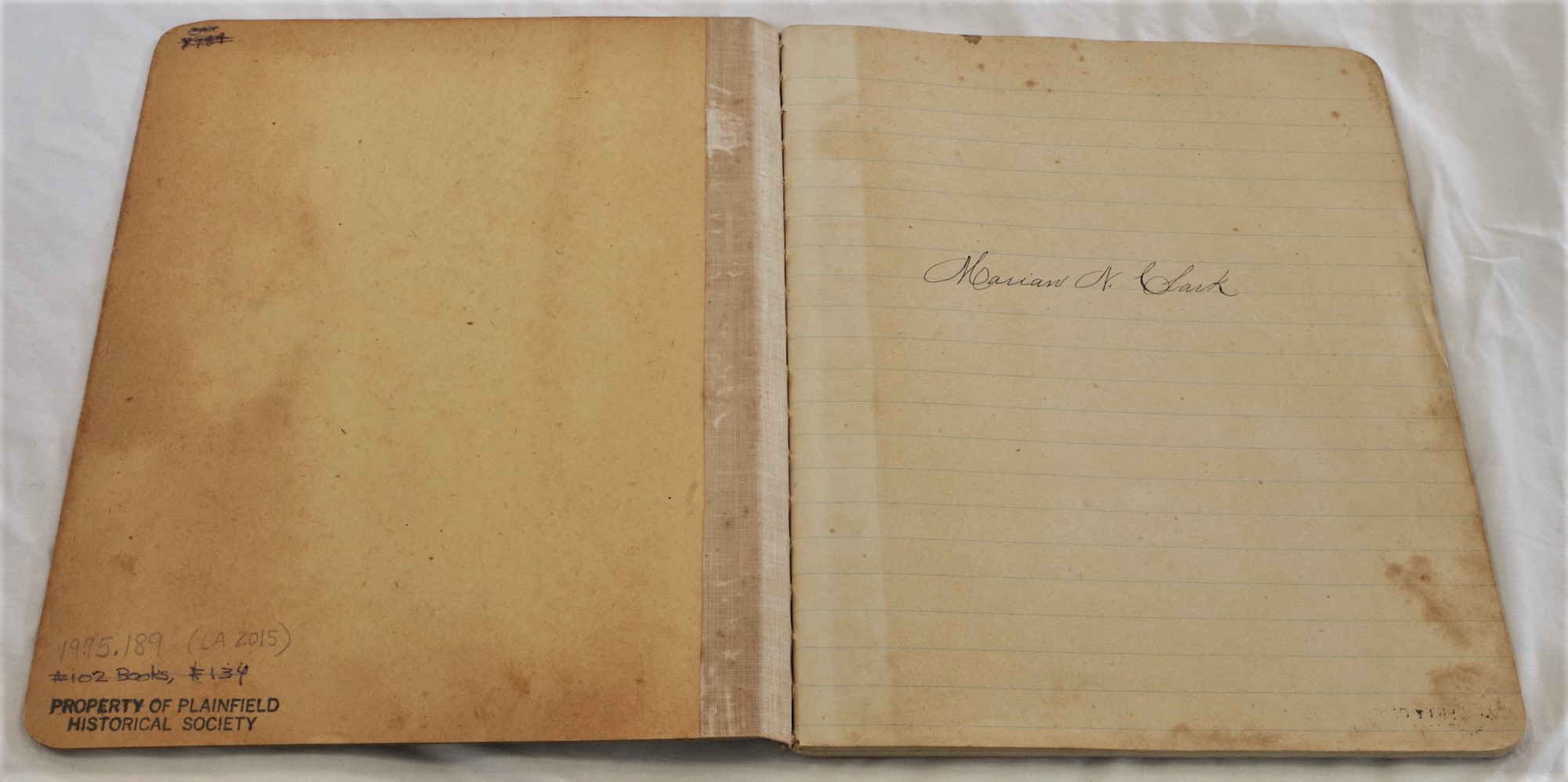
Marian Nancy Clark resided on her family’s farm on South Street from the late 1850s through the 1880s. She never married and remained at home with her parents until their deaths. Her surviving poems suggest a deep appreciation for the natural world, hinting at the beauty of the gardens she likely tended. Records indicate only brief employment as a housekeeper in a private home, leaving open the possibility that she devoted much of her time to writing. After 1910, Marian moved to South Amherst, Massachusetts, where she lived with her older sister, Ella Clark Tirrell, and her husband, Arthur.
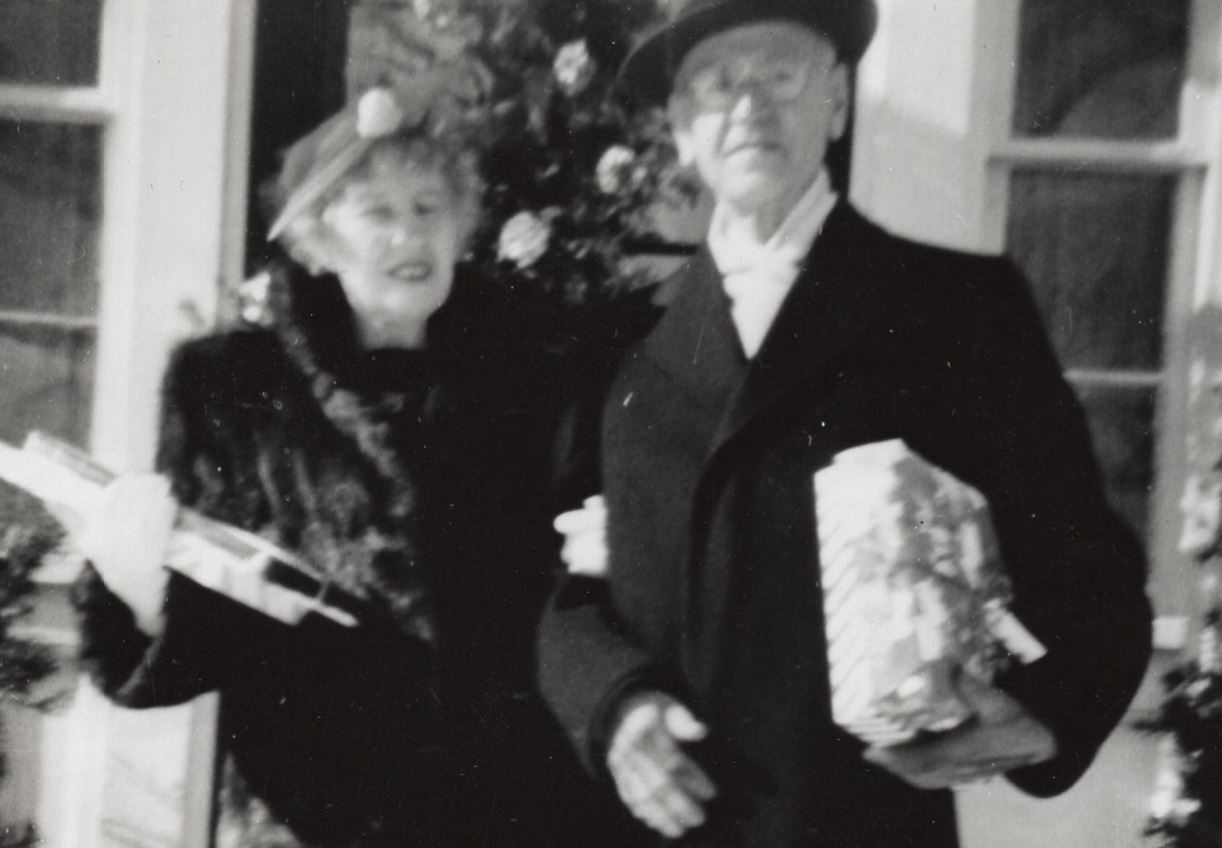
The property he established continued in Clark family ownership until 1953, preserving a nearly century-long association between the homestead and one of Plainfield’s prominent local families.
The deed history shows that in 1954 the homestead, along with four acres, was sold to Joseph and Jesse Walthier, and then sold in 1967 to the McCarrys.
The McCarry Family
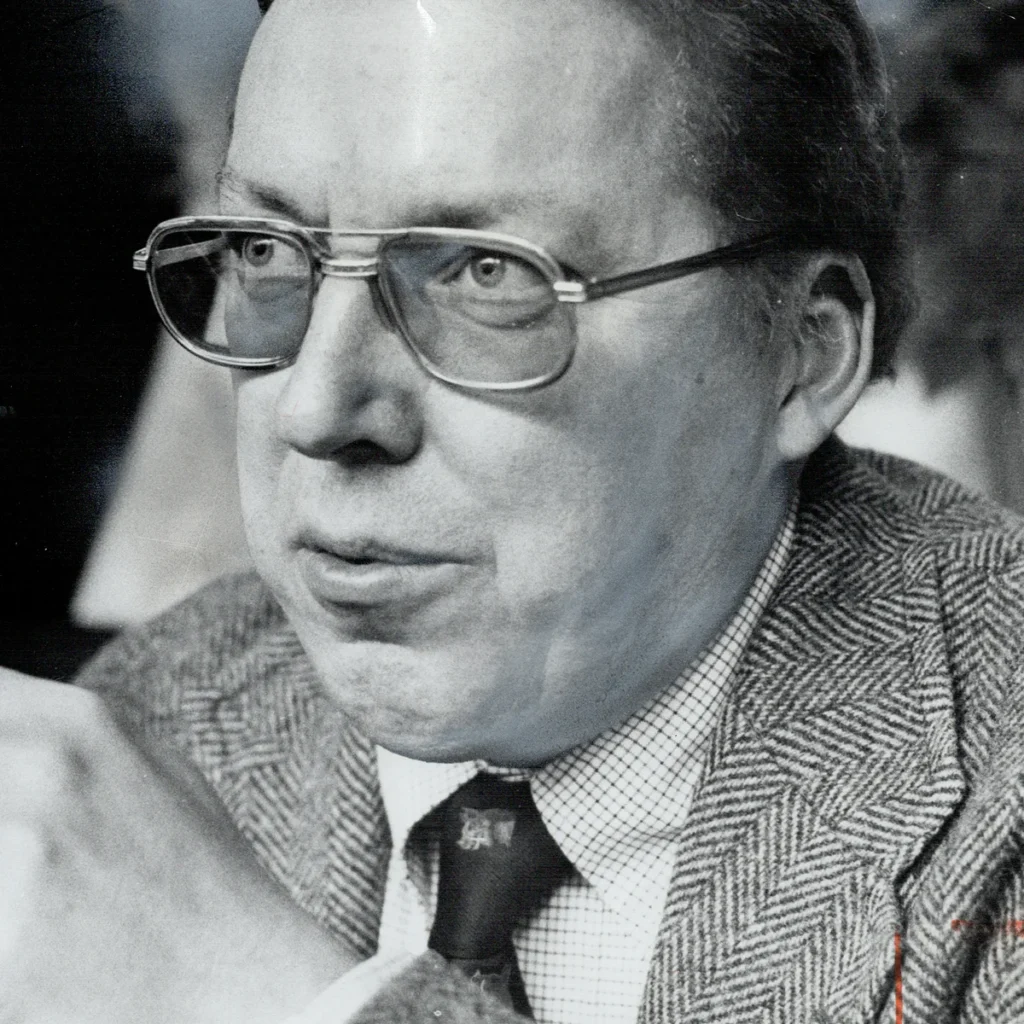
Albert Charles McCarry (1930–2019) and his wife, Nancy Jane Neill McCarry (1930–2020), acquired the Plainfield property in 1967, shortly after McCarry concluded his service with the Central Intelligence Agency and sought a quiet rural setting in which to begin a new phase of his life as a writer. Their move to the hilltown reflected a broader mid-twentieth-century pattern in which artists and writers were drawn to the seclusion and landscape of western Massachusetts as an environment conducive to creative work.
McCarry was born in Dalton, Massachusetts, in 1930. Lacking the financial means to attend college, he enlisted in the United States Army in 1948 and served until 1951. During his military service he began writing professionally for the army newspaper Stars and Stripes, an experience that helped launch his lifelong engagement with journalism and narrative writing. After his discharge, he moved to New York City, where he worked a series of odd jobs while attempting to establish himself as a writer, completing an early novel that remained unpublished. He later found employment as a newspaper reporter in Ohio, where he met Nancy Jane Neill, whom he soon married.
By 1956 McCarry had moved into the world of government service, becoming a speechwriter for U.S. Secretary of Labor James P. Mitchell. Two years later, in 1958, he was recruited into the Central Intelligence Agency during the directorship of Allen Dulles. Over the next decade McCarry served as a deep-cover operative, undertaking solo assignments in numerous parts of the world during the height of the Cold War. His work took him to locations including Ghana, Germany during the construction of the Berlin Wall, Vietnam during the political upheavals surrounding the fall of Ngo Dinh Diem, and the Congo during the turbulent years following independence. These experiences—encounters with international politics, intelligence work, and the ambiguities of clandestine operations—would later provide the foundation for the distinctive realism of his fiction.
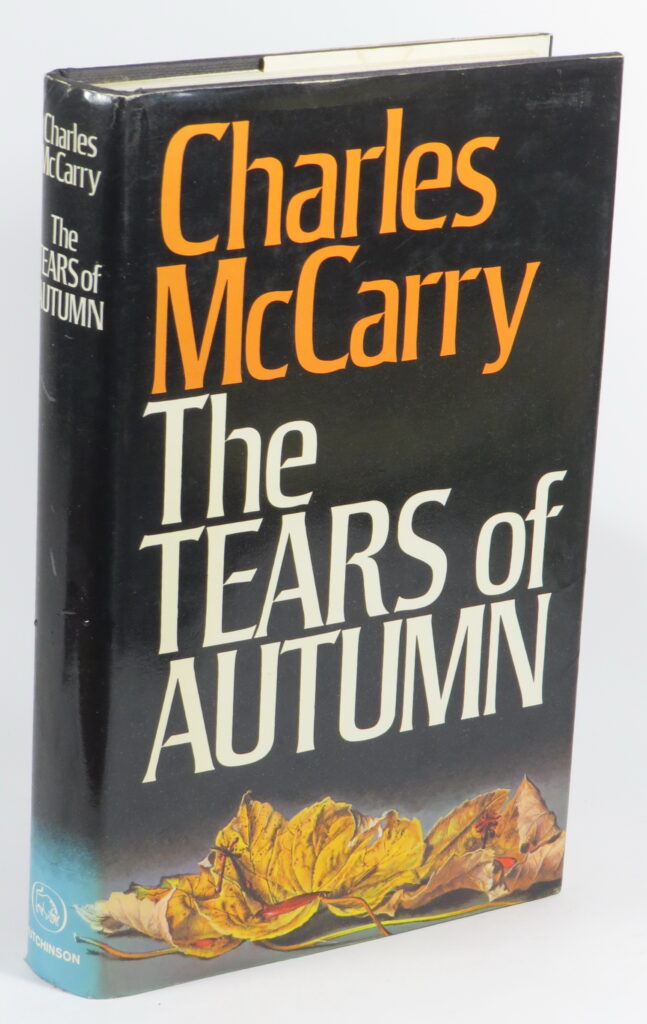
After leaving the CIA, McCarry and his wife settled in Plainfield in 1967. There he began writing full time, producing a body of espionage fiction widely regarded as among the most sophisticated in American literature. His novels were noted for their careful attention to geopolitical realities and for their literary style, earning him the reputation as the “dean of American spy writers,” a phrase later used by The Wall Street Journal. His breakthrough work, The Tears of Autumn, became a bestselling novel that explored theories surrounding the assassination of President John F. Kennedy. McCarry is perhaps best known for the Paul Christopher series, a sequence of ten novels that follow the career of a fictional CIA operative through decades of global intrigue.
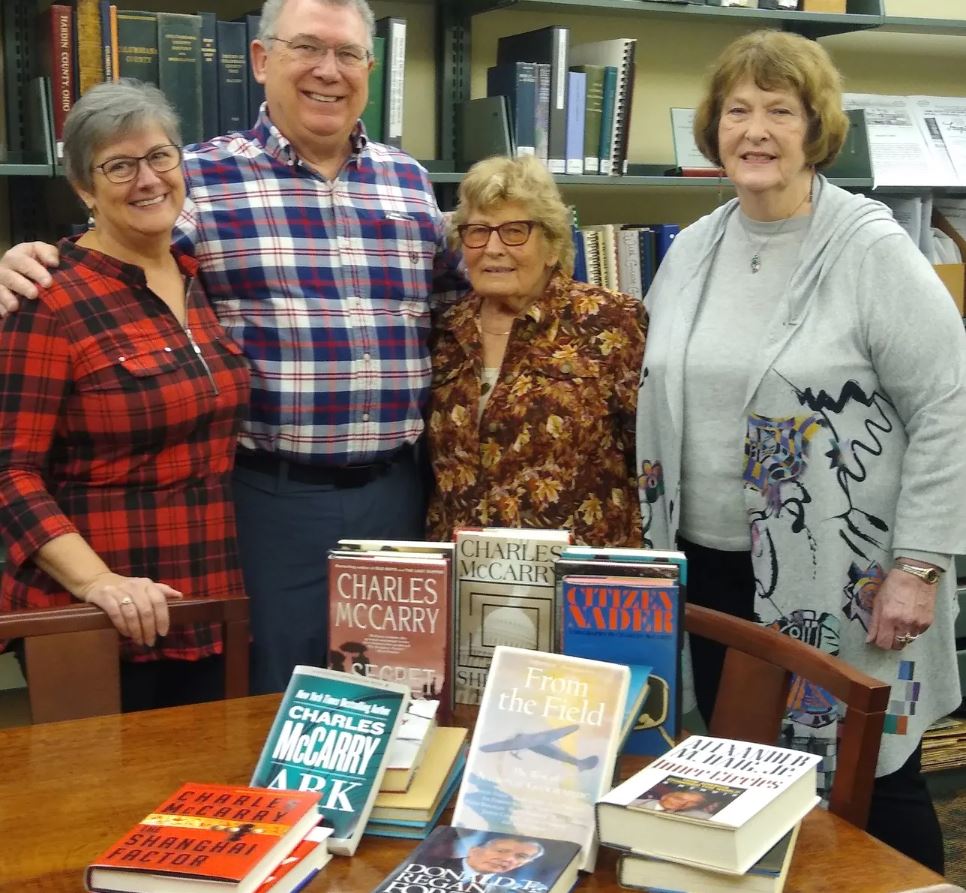
In addition to his fiction, McCarry wrote nonfiction and worked as a ghostwriter for several prominent political figures. Among his published works was Citizen Nader (1972), a biography of consumer advocate Ralph Nader, and he later assisted in writing memoirs for public officials including General Alexander Haig Jr. and Donald T. Regan. McCarry also maintained a career in journalism, serving as an editor-at-large for National Geographic and contributing articles and commentary to major newspapers.
Nancy McCarry played a significant role in her husband’s literary life. She served as his trusted confidante and first reader, offering feedback on manuscripts as they developed. The couple shared a life marked by extensive travel and intellectual engagement, experiences that complemented McCarry’s international background.
In 1981, after fifteen years in Plainfield, the McCarrays sold their home and relocated to Virginia. Charles McCarry continued writing for decades afterward, producing novels and essays that reflected his enduring engagement with global politics and espionage. He died in 2019 at the age of eighty-eight. Nancy Jane Neill McCarry survived him by a year, passing away in 2020. Together, their years in Plainfield represent an important chapter in the life of one of America’s most respected writers of espionage fiction.
.For a short while the home was owned by Gary and Judith Dill, who sold it to Tom and Elaine Holder in 1982.
The Holder Family
In the mid-1960s, during the early days of their courtship, Tom and Elaine took a spontaneous day trip to the “mountains” of western Massachusetts, eventually stopping for a hamburger at the Plainfield Villa—a rustic roadside spot. Elaine still recalls the feeling of the place as “cool,” imbued with a laid-back atmosphere that resonated with both of them.
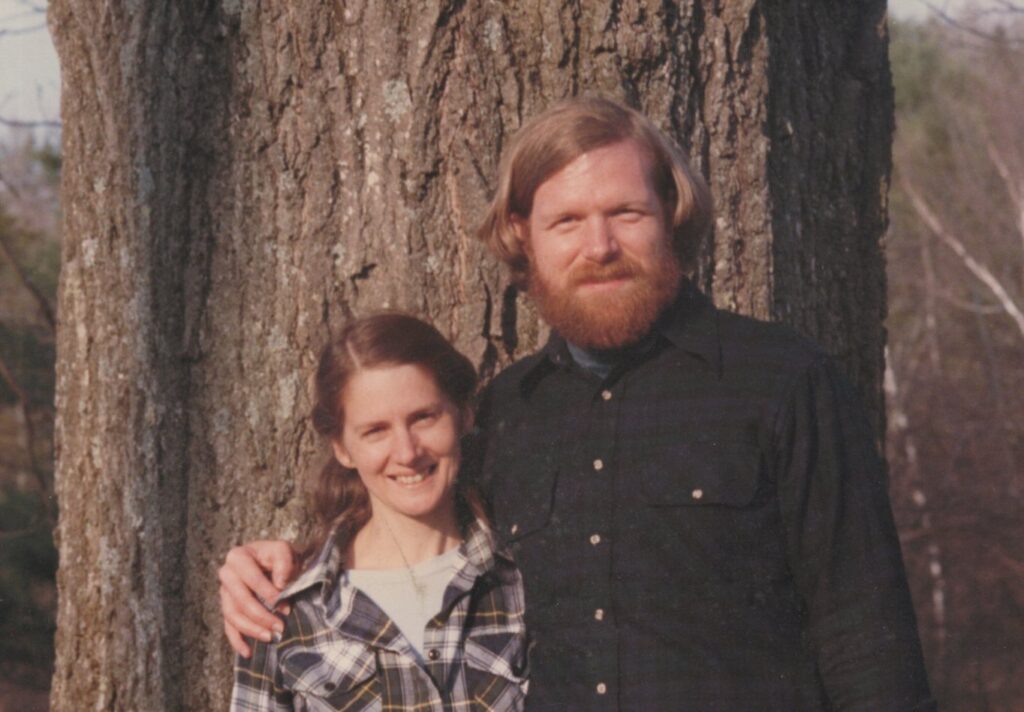
By 1971, the two free spirits were married and eager to set out on an adventure. That same year, a twist of fate altered their course: Tom, training as a microbiologist, was unexpectedly given a broken violin. What began as a light-hearted project soon became a deep passion. This newfound interest in instrument making prompted the couple to relocate to Salt Lake City, Utah, so Tom could study at the Violin Making School of America, founded by Peter Prier of Peter Prier & Sons.
Elaine left her teaching position in Sunderland, Massachusetts, to join him on this bold new path. “Life was good!” she reflected. They spent their winters skiing in the mountains of Utah, and each summer returned to western Massachusetts to escape the desert heat and reconnect with their roots.
Upon completing his training, Tom was hired by Kenneth Warren & Son in Chicago, one of the oldest and most respected violin dealers in the United States. Elaine joined him there, taking up jewelry making while also working in the violin shop. The years in Chicago were productive, but after seven years, both Tom and Elaine found themselves growing disenchanted with the pace and pressures of city life. Longing for a slower rhythm and the familiar landscapes of New England, they made the decision to return home.
In 1982, recalling their memorable daytrip years earlier, Tom and Elaine returned to Plainfield and purchased what had been known as the McCarry place. Nestled in the quiet hills of western Massachusetts, the property offered both inspiration and space for their next chapter. Elaine recalls that sisters, Arvilla Dyer and Priscilla Dyer Allen, longtime residents of Plainfield, and self-proclaimed historians of all things Plainfield, came over for an impromptu visit shortly after the purchase to offer their historic knowledge of the house and the people who had lived in it over the years. !
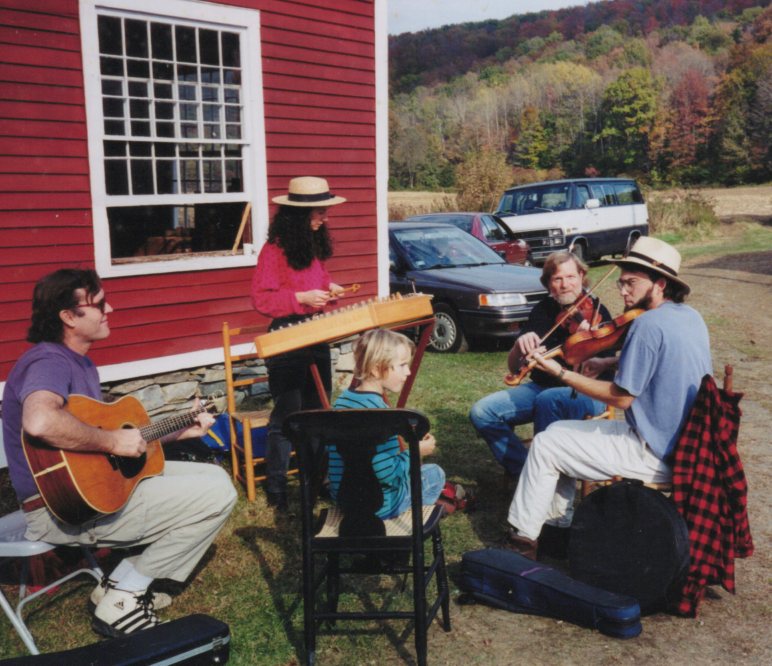
Tom transformed part of the house into a violin workshop, launching a small cottage industry. He began collaborating with students from the nearby Greenwood Music Camp, a respected summer chamber music program for middle and high school musicians. While his early work remained rooted in classical music, Tom’s interests gradually shifted toward traditional Celtic fiddle playing.
This musical evolution led to the formation of the Rhubarb Pie String Band, composed of local musicians and friends. The group gathered weekly to rehearse at the Holdens’ home, filling the house with lively melodies and community spirit. Elaine fondly recalls those days: “The house was always full of music.” Arvilla Dyer commented that it was quite a coincidence that past owners, Joseph and Jesse Walthier, were musicians as well, with Jesse playing piano and Joseph playing the violin
While Tom pursued his passion for violin making and traditional music, Elaine Holder carved out her own path in community service. She became administrator assistant to the Senior Housing Property Manager at Hilltown Terrace in nearby Cummington, dedicating over twenty years until her retirement in 2009. During her tenure, she worked closely with residents, neighbors, and town officials, becoming a vital presence in the Hilltowns.
Elaine also immersed herself deeply in Plainfield’s civic and cultural life. After a meeting with Anna Hathaway, she was invited to join the “What-Nots”, a long-standing group of local women originally formed during World War II to make bandages and other wartime necessities. The group continued as a beloved social and volunteer circle, and it was through the What-Nots that Elaine came to know many of Plainfield’s “movers and shakers.”.
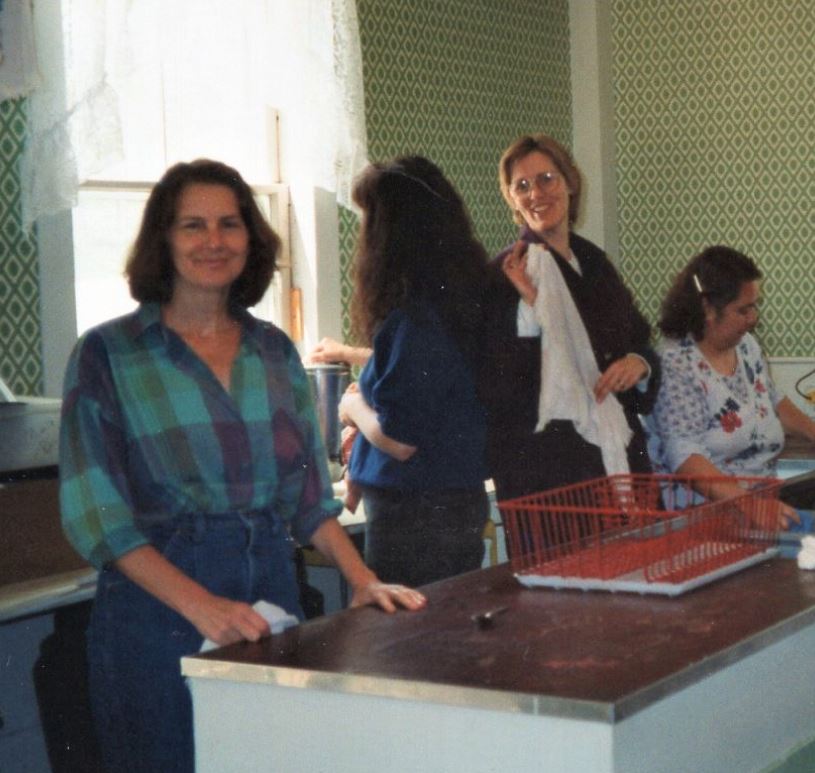
In the years that followed, Elaine joined numerous community organizations, including the Plainfield Food Co-op, Plainfield Arts Council, Planning Board for 20 years, Plainfield Historical Society, Welcoming Committee, and the Plainfield Book Club, among others. Her energy and commitment makes her a central figure in town life.
At home, Elaine and Tom made thoughtful renovations to the historic McCarry house, always honoring its original character—preserving features like the wide-plank floors while modernizing where needed. One symbolic change was the removal of the “two-holer” outhouse, a relic of a bygone era.
Tragedy struck over Memorial Day weekend in 1999, when Tom Holder lost his life in an ultralight aircraft accident. His death was a devastating loss not only to Elaine but to the wider community that had come to know him through music and craft. His friend David de la Barre wrote a tune, Farewell Tom Holder, in his honor.
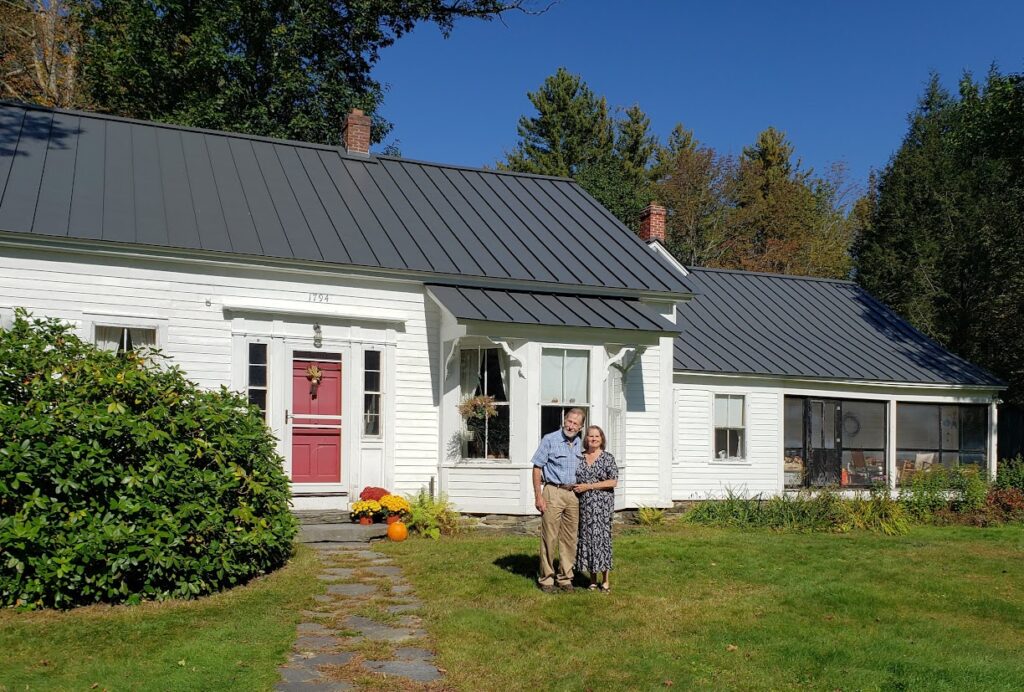
In time, Elaine found companionship again. At a local work event, she met Conrad Liebenow, a recent widower. A first birthday party together turned into long conversations and a deep bond. The two quickly discovered a shared outlook on life. As Elaine puts it, “the rest is history.” They have now shared over twenty years together, continuing to enjoy a life grounded in connection, nature, and community.
Architectural Description
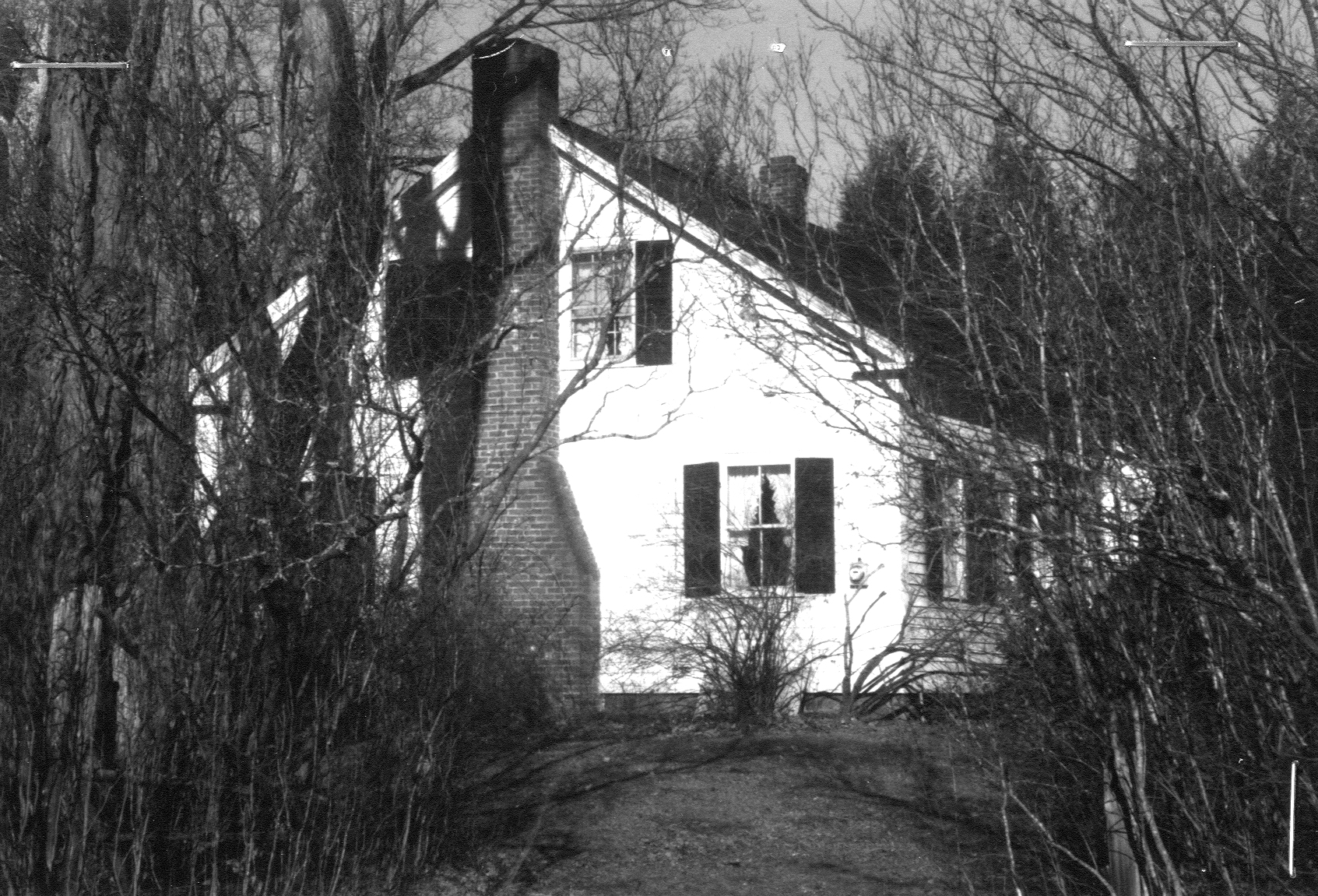
This Greek Revival Cape in Plainfield is a one-and-a-half-story residence featuring a central, reduced chimney atop a metal roof. The main block spans five bays in width and two in depth, with an additional three-sided, one-story shed roof bay added to the southeast corner, complemented by a one-and-a-half story wing extending eastward, creating a long rectangular footprint.
The Greek Revival center door surround is the focal point, defined by:paired slender pilasters, a lofty entablature, projecting cornice and half-length sidelights encased by the pilasters, a common local feature.The exterior also includes broad eaves with substantial returns at the gable ends (a Greek Revival hallmark) and Queen Anne-style scrolled brackets adorning a bay window. An unadorned screened porch is attached to the eastern wing.
Originally a farmstead of over 255 acres, today the house currently sits on a little under 3 acres of land.
This project has been partially funded by the Massachusetts Cultural Council and the Plainfield Historical Society.