The Carr Family
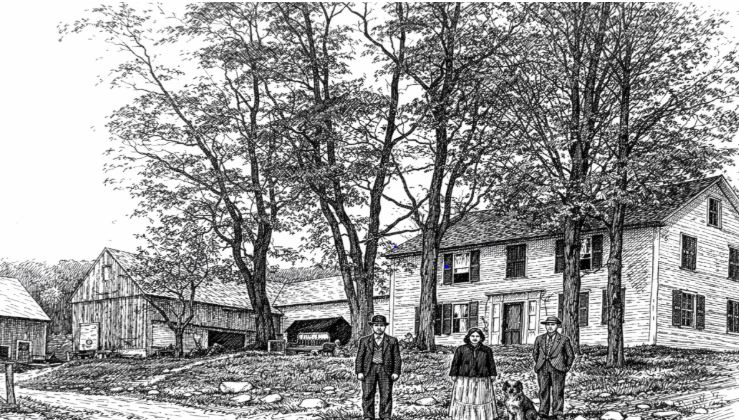
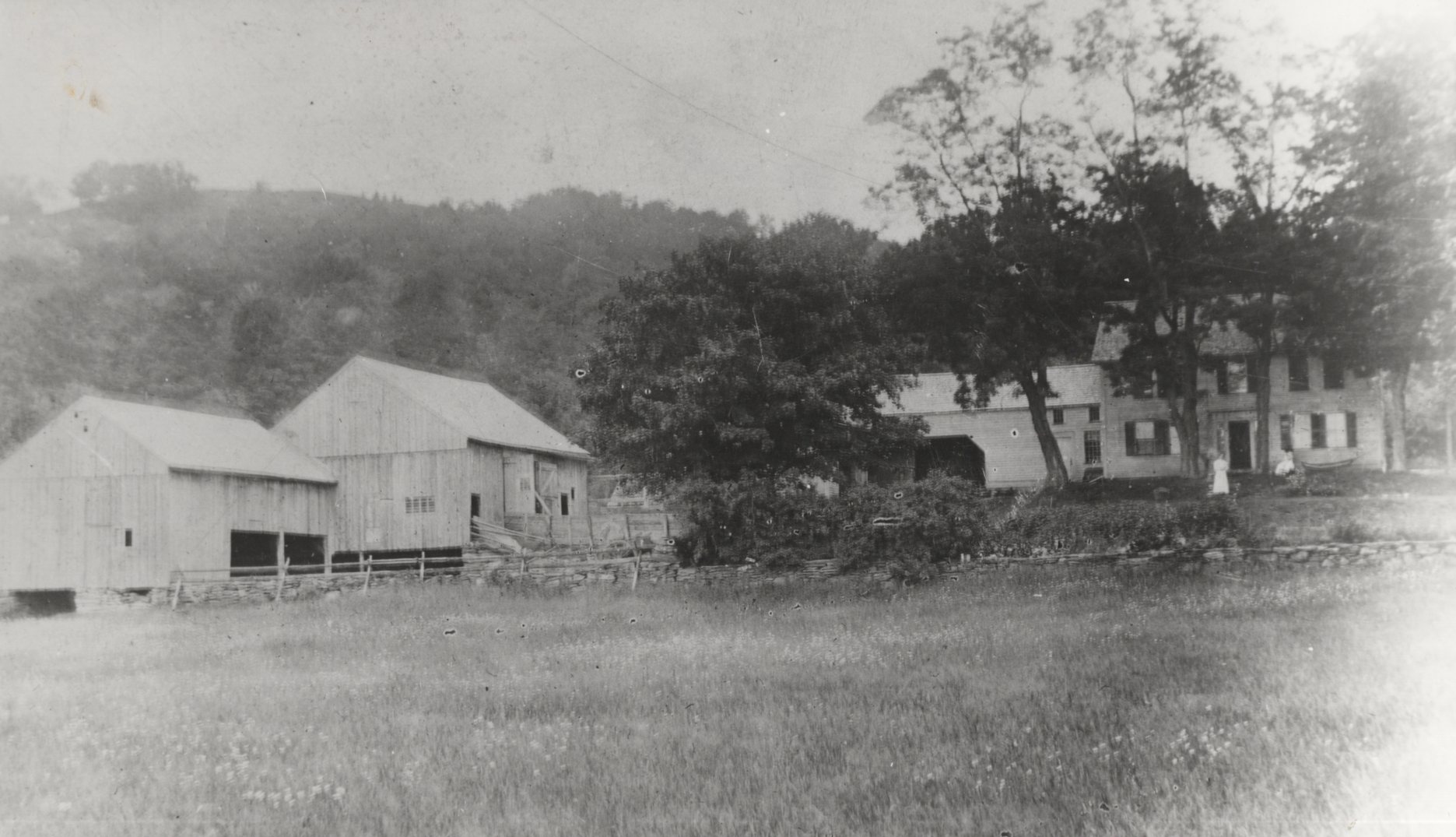
The property upon which this house now stands was initially acquired in 1777 by Benjamin Carr (1746-1838) a Revolutionary War Veteran. Around 1796, he commissioned the construction of a modest house and barn on the site. While the house was later demolished, the barn endured. Although details about Carr’s life are sparse, historical records indicate his passing in 1838 at the remarkable age of ninety-two. He rests in peace at the Hilltop Cemetery in Plainfield, alongside his wife Margaret McIntyre Carr (1748-1830), the eldest daughter of the area’s first settler, Thomas McIntyre (1715-1796).
The Hallock Family
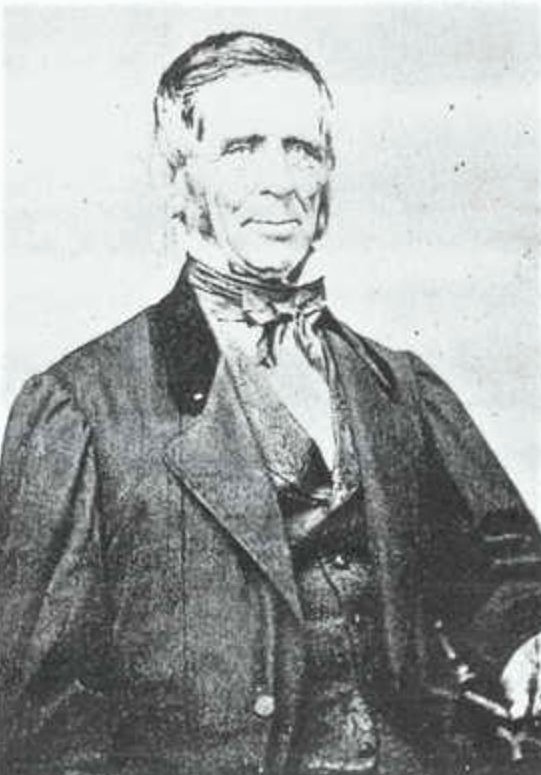
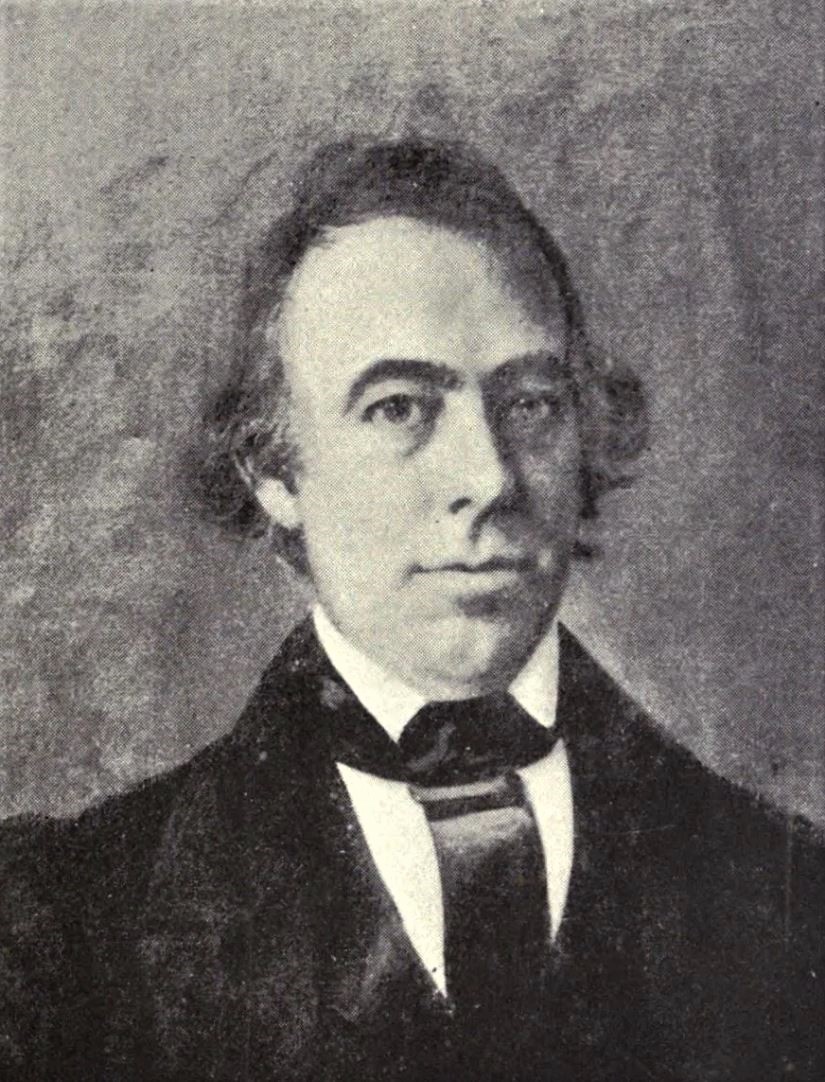
In 1833, the property changed hands to Leavitt Hallock (1798-1877), the son of Rev. Moses Hallock (1760-1837) and Margaret Allen Hallock (1760-1835). Rev. Moses Hallock, a 1788 graduate of Yale, served as a soldier in the American Revolution and was the first pastor of the church in Plainfield. For forty-five years, he operated a renowned classical school, educating over three hundred students who later became ministers, editors, publishers, and notable figures such as the poet William Cullen Bryant (1794-1878), Oregon Trail pioneer Marcus Whitman (1802-1847), and abolitionist John Brown (1800-1859), alongside more than thirty young women, which was exceptional at the time.
Leavitt Hallock and his three brothers all led remarkable lives. William Allen Hallock (1794-1880), his elder brother, served as an agent and corresponding secretary of the American Tract Society for over five decades. He edited The American Messenger and The Child’s Paper and received a Canonical Doctorate in Theology from Rutgers in 1850.
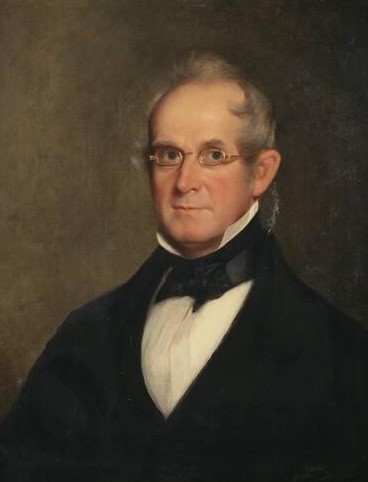
Gerard Hallock (1800–1866), another brother and a 1819 graduate of Williams College, ventured into journalism in New York City, where he became involved with the New York Observer and the New York Journal of Commerce. Renowned for his progressive views. He is remembered for purchasing and liberating one hundred African slaves, in addition to being a pioneer in cooperative news gathering and serving as the first president of various news associations, including the Associated Press.
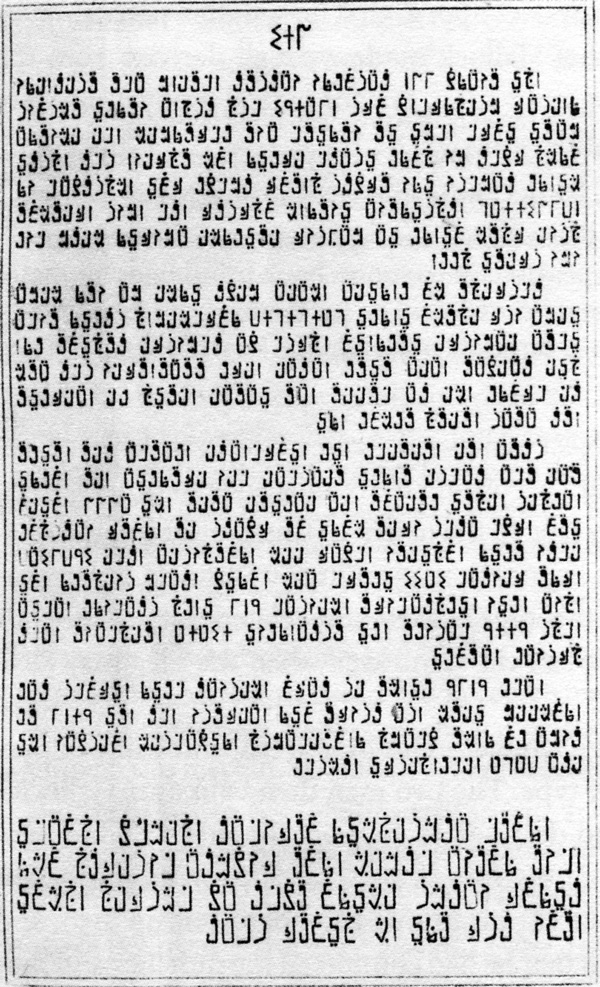
Leavitt’s youngest brother, Homan Hallock (1803-1894), embarked on a missionary journey to Malta and later Syria in 1826. He achieved the milestone of printing the first Bible in Arabic during his time in Syria. Upon returning to Plainfield, Homan, assisted by his son Samuel, continued the production of Arabic type for the American Bible Society’s publication of the Arabic Bible in New York.
In 1829, Leavitt married Elizabeth Porter Snell (1803-1877) of Cummington. Their union bore eight children: twin daughters Fanny Hallock Hazeltine (1830-1920) and Eliza Hallock Rouse (1830-1902), Rev. William Allen (1832-1911), Sarah (1836-1837), Mary (1837-1851), Moses Gerard (1839-1846), Rev. Leavitt Homan (1842-1921), and Ellen Elizabeth (1845-1845).
Upon acquiring the Main Street property in 1833, Leavitt Hallock and Elizabeth expanded the farmstead to 203 acres. They also relocated a barn from another property, thus augmenting their holdings to include two barns, one of which was originally built by Benjamin Carr. In 1836, they commissioned the construction of the house that stands to this day.
Leavitt then established several prosperous enterprises in and around Plainfield. Historical records depict him as an influential and affluent member of Plainfield society; by 1840, he had paid taxes on forty-five buildings, comprising mills, a brickyard, a shoe making shop above the carriage house, and a tannery. Hallock’s influence extended to convincing the town to reroute the road in front of his house, with the added contract to construct it.
The impressive stone walls on the property were crafted by a Native American laborer employed by the Hallocks, who not only laid the stones but also planted the maple trees lining the road, which still stand today.
Throughout his tenure in Plainfield, Leavitt held various civic roles, including serving as town clerk for two years, Justice of the Peace in 1834, and Representative in the Massachusetts Legislature in 1849. He also assumed the duties of Postmaster for a number of years. Additionally, he played a pivotal role in establishing the neighborhood just beyond the Plainfield line in the town of Hawley, which is now known as Hallockville. Leavitt’s endeavors extended to the construction of several dams, the establishment of a sizable tannery and sawmills, and the operation of a store and boarding-house. Moreover, he spearheaded the acquisition, layout, and construction of several significant new roads in the area.
During the Hallocks’ ownership of the home, they occasionally welcomed family members and one in particular, Lydia Richards (1782-1846), provides valuable insights into the daily life of the Hallock household. Lydia, a prolific writer, penned over 180 letters between 1798 and 1851 to her close friend, Charity Bryant, who was the aunt of the poet William Cullen Bryant. In 1977, historian, William N. Hosley, Jr. published a paper on the correspondence between these two women in The Richards-Bryant Correspondence 1798-1851.
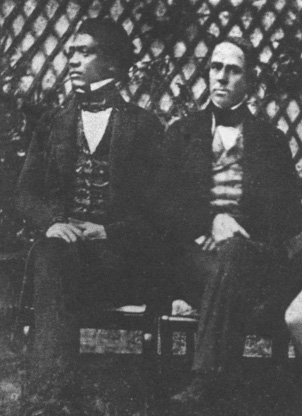
Lydia’s brother, William (1793-1847), embarked on a missionary journey to the Sandwich Islands, now known as Hawaii, where he played a significant role in the country’s governance. He became an advisor and translator to King Kamehameha III, contributing to the drafting of the nation’s inaugural constitution and code of laws. In 1836, Mr. Richards traveled to the United States accompanied by Prince Haalilio, the heir apparent to the Hawaiian throne, and visited the Hallocks in their home. Tragically, Prince Haalilio passed away at sea during his return voyage. Upon Mr. Richards’ return to the Sandwich Islands, he assumed the position of Minister of Public Instruction for several years. King Kamehameha III held him in high esteem, regarding him as his most trusted confidant and closest ally. Mr. Richards’ death on November 7, 1847, was mourned as a profound national loss.
Lydia Richards was the eldest of nine children, born on May 1, 1782, to James and Lydia Shaw Richards of Abington. James Richards (1757-1842) settled in Plainfield around 1791, where he not only managed a family farm but also served the community in various capacities. He held positions such as Deacon to the Congregational Church, school teacher for over thirty years, selectman for twenty-one years, Town Clerk for four years, district representative to the state legislature for five years, and Justice of the Peace for twenty-eight years. Additionally, he was renowned for his musical talents, having established and led the Church Choir.
Lydia’s upbringing in Plainfield was notable for its emphasis on education, as she studied classical languages, religion, natural sciences, philosophy, and mathematics under the tutelage of Rev. Moses Hallock—a rarity for a girl during that era. Until her marriage, Lydia Richards spent most summers teaching school in and around Plainfield. As she grew older, she had to board away from home to teach in other towns across Hampshire and Franklin Counties. Lydia’s teaching duties typically commenced in mid-May and extended for about fourteen weeks until mid-August, during which she instructed approximately forty students, aged four to fourteen, all within a single classroom. It was customary for women to teach in the summer and men in the winter, aligning with the agricultural calendar.
On October 27, 1825, at the age of 43, Lydia married Ebenezer Snell (1771-1857) of Cummington, a widower with two surviving children from his previous marriage to Deborah Porter Snell (1780-1822). Despite both Lydia and Ebenezer having grown up in affluent families, they faced financial hardship, prompting concerns about their ability to support themselves in their later years. In 1842, with Lydia aged sixty at the time, they made the decision to move into a small room in the attic of Leavitt Hallock’s home. Leavitt was Ebenezer’s son-in-law.
The connection between the Snells and the Hallocks dates back to 1829 when Leavitt Hallock married Elizabeth Porter Snell, Ebenezer’s daughter. One of the most challenging experiences for Lydia and Ebenezer Snell during their time in Plainfield occurred in the last year of Lydia’s life when Hallock’s tannery burned to the ground. In one of Lydia’s letters to Charity Bryant, dated March 4, 1846 she writes of this devastating fire, “…a loss which Mr. Hallock has lately sustained by fire! A great loss!’ The loss of his large Tannery…wholly consumed with twelve hundred cords of hemlock bark, and one thousand sides of leather, ready for market. The whole loss is estimated at $20,000 dollars! We could see the glow from the house and a boy was quickly sent for help. Very soon the Meetinghouse Bell began to ring with all the force possible and continued to ring for l to 2 hours. The bark which was piled up extended from the tannery to within about 16 feet of the boarding house, a two story building a part of which was occupied as a Tailors shop, closely adjoining which was a store in one end of which liv’d a family, very near was another dwelling house, a part of which was occupied as a shed, barns, blacksmiths shop and sawmill, all owned by Mr. HalIock and mechanics and other inhabitants of then employed by him. In a short time 100 men were there, ready for action…those who formed the line from the pond to the house and pass’d the buckets, work’d where it was so hot, as to scorch their clothes” She continues to say that his losses have put Mr. Hallock in debt 12 to 15,000 dollars. This was a tremendous amount of money in that day. If Hallock owned property and capital in excess of his losses he certainly would have been one of Plainfield’s wealthiest residents”.
Throughout the four years leading up to her death in 1846, Lydia frequently expressed in her letters that she felt like a servant in the Hallock household. Lydia Richards passed away on June 26, 1846, from a lung disease, while residing in the home of Leavitt Hallock.
Leavitt and Elizabeth Hallock relocated to Amherst, Massachusetts, where Leavitt engaged in a successful real estate business. He died at the residence of his son, Leavitt Homan Hallock (1842-1921), in West Winsted, Connecticut, on October 16, 1875, followed by Elizabeth’s passing two years later.
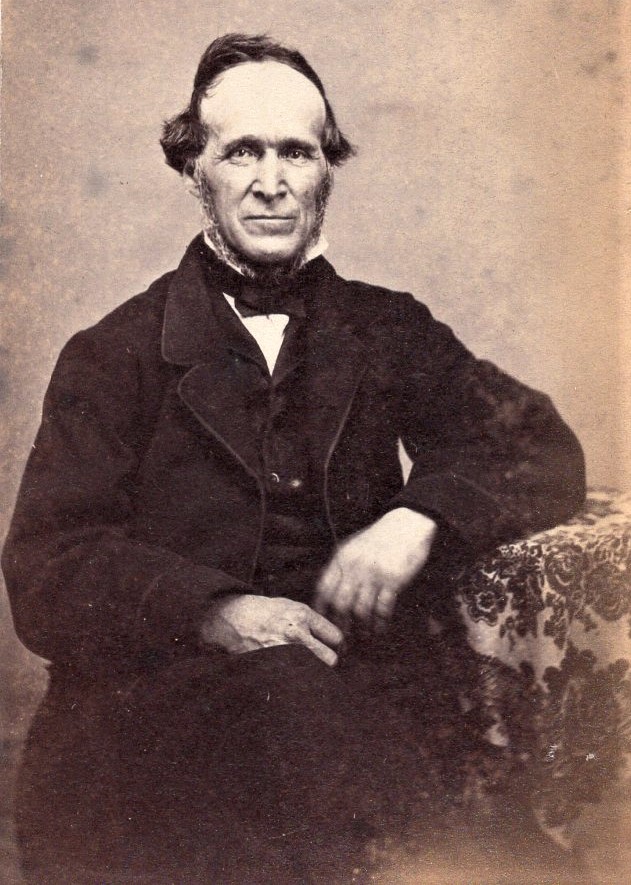
In 1853, following the fire that consumed the tannery, the property and home were acquired by Jerijah Barber (1805-1890), who later became a deacon at the Plainfield Congregational Church in 1855. The incline adjacent to the house, now known as Barber Hill, still bears his name. A stained glass window in the attic of the house is believed to be from the Plainfield Congregational Church, it it is believed that it may have been installed at this time.
The Nye Family
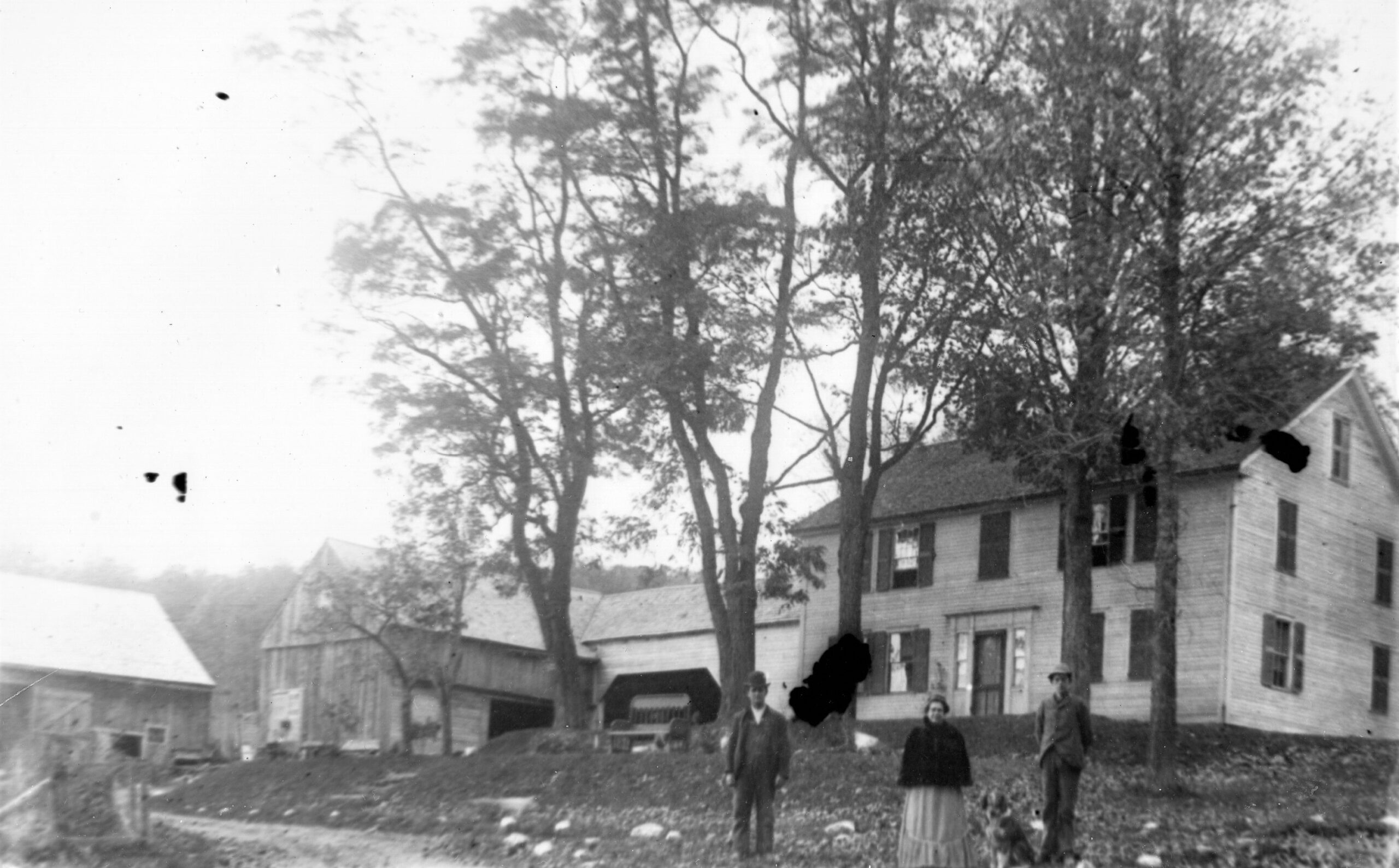
During the mid to late 1800s, the ownership of the house and property transitioned from Barber to Luther W. Packard (1854-1941), and subsequently to Fredrick Cheringer. In 1899, the property came under the ownership of Willis N. Nye (1860-1951).
This house boasts a remarkable history of electrification, undergoing four significant changes in its electrical systems, ranging from water wheel to electric home heating. The initial two electrical installations were carried out by Nye’s son, Robert. In 1908, Robert acquired an electric dynamo, serving as today’s generator, which was powered by a water wheel fed by water from a spring-fed pond. This dynamo provided the home with 110-volt direct current.
By 1918, technological advancements rendered the water-powered dynamo outdated, prompting Robert to install a Delco light plant producing 32 volts. This upgrade enabled the Nyes to expand the lighting system within the house and operate various machines such as a separator and grindstone.
The Gerber Family
In 1942, Fredric K. Gerber purchased the house, which subsequently became known locally as the Gerber Place. At this time the house underwent another significant electrical transformation. It was connected to the lines of Western Mass Electric Company, marking the house’s progression through four distinct stages of electrification, from its inception without electricity to embracing the most modern electrical applications of the times.
The Gerbers operated a cider mill and sugar house on the property, converted one of the barns into an apartment, and added a pond for swimming, complete with a diving board. Though nowadays beavers have made attempts to claim the pool, the old diving board platform remains visible. The pond and its surrounding vegetation have evolved into a thriving habitat for local amphibians and birds.
Following the Gerbers, the house was acquired by Loewyka (Kin) Cullen (1924-1999), who made it a daily ritual to swim in the pond.
The Williams Family
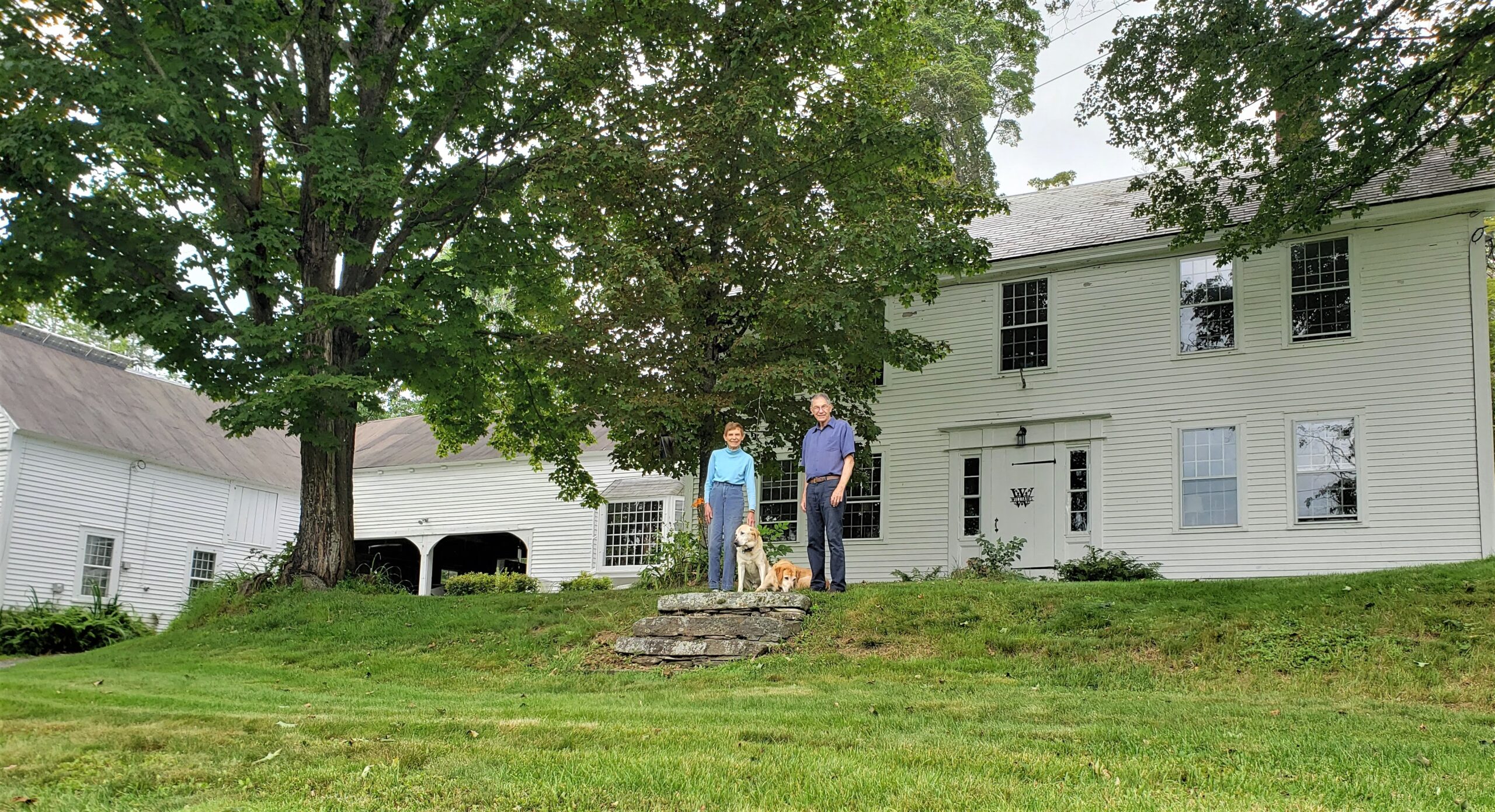
In 1997 Dudley and Judy Williams, residents of Longmeadow, MA, noticed an ad in Sanctuary Magazine—a publication by the Massachusetts Audubon Society. Judy directed summer environmental camps for the Mass Audubon Society for a number of years, so was familiar with the organization. The ad sought a ‘conservation-minded buyer’ for a 500-acre parcel of land in Plainfield, slated for a conservation restriction. This parcel happened to lie directly across the road from the house at 525 West Main Street. Initially unfamiliar with Plainfield’s location, the Williams ventured out to explore the land, spending an afternoon hiking its trails accompanied by their faithful dog, Mandy. Throughout their hike, they absorbed the beauty of the diverse ecosystems they encountered, from ponds to waterfalls to the unique highlands habitat. Captivated by the landscape’s splendor, they resolved to safeguard its preservation and promptly acquired the property, which they called “Maple Tree Farm,” after the ancient maples that lined the street.
Frequent visits followed, often with Dudley and Judy camping out in an old red barn situated on the exact site where Homan Hallock and his son once manufactured Arabic type. As they integrated into the community, they formed connections with their neighbor, Kin Cullen. Through these interactions, the Williams learned about the large farmhouse and barns, along with 3.5 acres of land, which Kin decided to sell in 1999. Recognizing the opportunity, Dudley and Judy eagerly acquired the property. A delightful surprise unfolded when Judy realized that the furniture inherited from their families harmoniously complemented the old farmhouse. It felt as though their journey had led them to a place that resonated with a sense of home; where every aspect aligned perfectly.
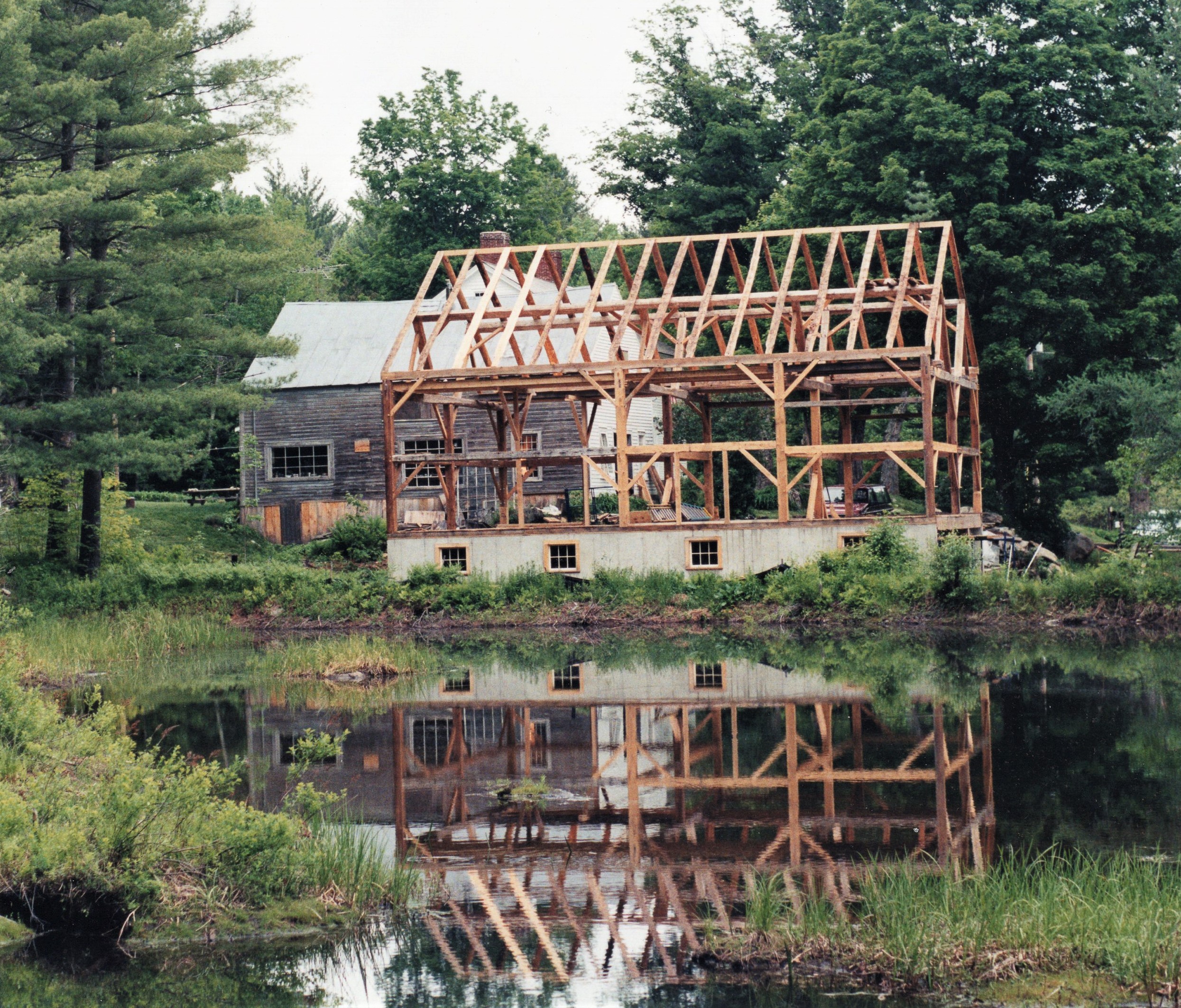
In 2000, the Williams made the decision to restore the dilapidated barn on their property, enlisting the expertise of post and beam specialist Rich Potter to oversee the project. Rich meticulously disassembled the barn and proceeded to repair the frame, ensuring to conserve as much of the original structure as possible. A significant portion of the wood utilized, including white pine and hemlock, was sourced from the Williams’ own property. To maintain authenticity, cut nails reminiscent of the originals were employed, along with locally sourced locust pegs. While the stone foundation was replaced with concrete, the restoration process truly embodied a collaborative effort. Despite the Williams’ relatively short time in town, the community rallied together, with many townsfolk joining in for a memorable barn raising party!
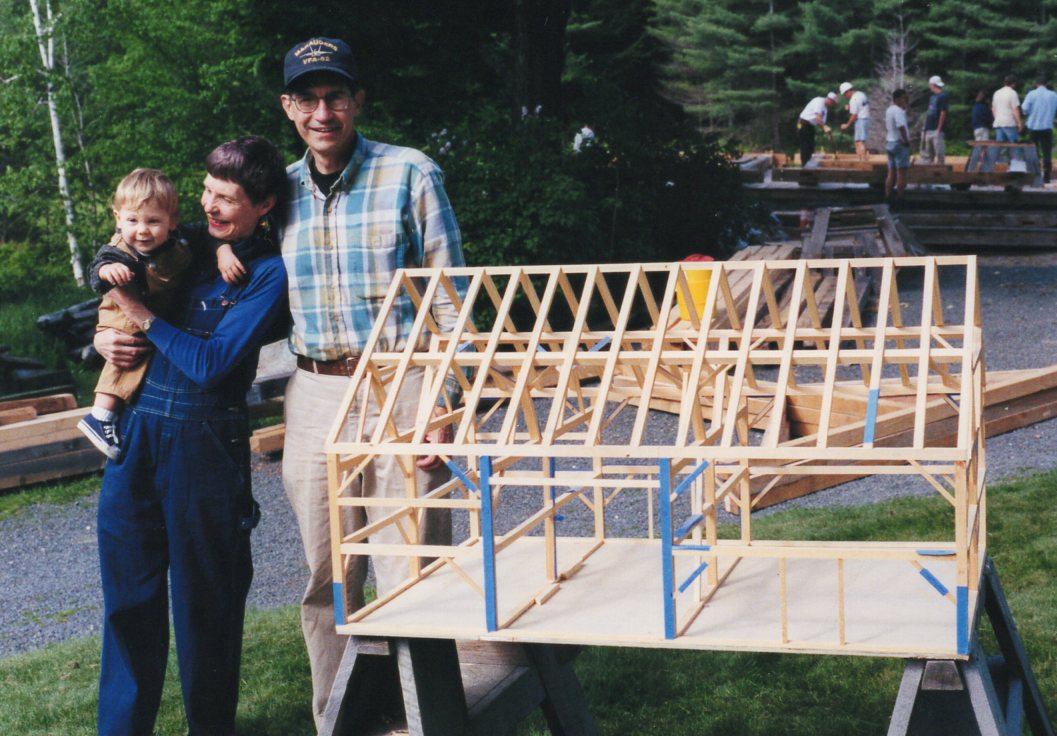
The Williams have become integral members of Plainfield, actively contributing to the community in various capacities. Dudley has served as a trustee of the Plainfield Congregational Church and as the Town Veterans’ Affairs Officer. Meanwhile, Judy has taken on roles such as serving on the Conservation Commission and assuming the presidency of the Plainfield Historical Society. Both are dedicated environmentalists, exemplified by their decision to donate part of their land to the Massachusetts Audubon Society.
A 1994 report conducted by Pam Weatherbee of the society highlights the remarkable diversity of the meadows surrounding the Williams’ homestead. With over 280 plant species documented, including rare finds such as the hooded ladies’ tresses orchid (found in only three other sites in Massachusetts) and Michaux’s sedge (at the time), these meadows provide vital habitat for a multitude of insects, butterflies, mammals, and birds. The Williams tirelessly work to preserve and maintain these precious ecosystems.
Architectural History
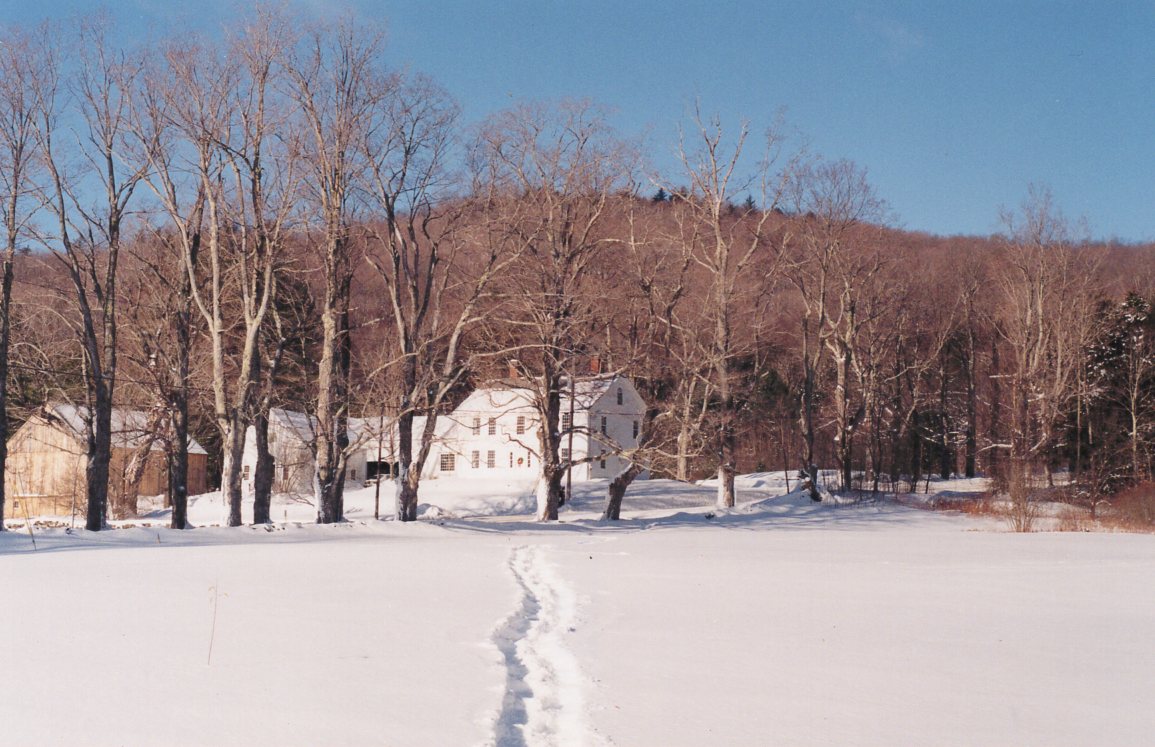
The house at 525 West Main Street stands as one of the grandest residences in Plainfield, distinguished by its size, architectural style, and commanding position within the landscape. This two-and-a-half story Greek Revival house features a side-gable roof and occupies a picturesque hillside setting with distant vistas over open fields. The house spans five bays in width and two bays in depth.
Adjacent to the south facade is a one-and-a-half story, side-gabled carriage shed, followed by a one-and-a-half story, front-gabled wing. Originally serving as a chicken coop, the latter wing has been converted into a residence, accessed through a centrally located recessed door. It measures four bays in depth and three bays in width. The carriage shed includes an enclosed bay housing a multi-paned oriel window, flanked by two open vehicle bays.
The windows of the house feature a traditional 12/12 sash configuration, a characteristic practice prevalent in Plainfield during the mid-19th century, although it had been replaced by 6/6 sash in other communities. They are positioned conservatively close to the eaves and are relatively narrow in width.
The center door surround closely resembles those found on the Shaw-Hudson House, constructed in 1833, three years prior to the Williams’ home, suggesting a possible architectural influence. Comprising two pairs of slender pilasters enclosing half-length sidelights, the pilasters extend seamlessly through the architrave as impost blocks, while the cornice boasts a subtle projection.
South of the house stands a meticulously restored, square-rule English-style barn, adding to the property’s historical charm.
Additionally, the home boasts a notable feature—the pulpit window from the original Plainfield Meeting House demolished in 1847 because of separation of church and state was gifted to Leavitt Hallock and installed on the top floor of the house.
Recognized for its architectural significance, the residence is listed on the National Register of Historic Homes as part of the Plainfield Historic District.
The Our Old House Project was partially funded by the Plainfield Cultural Council and the Plainfield Historical Society.